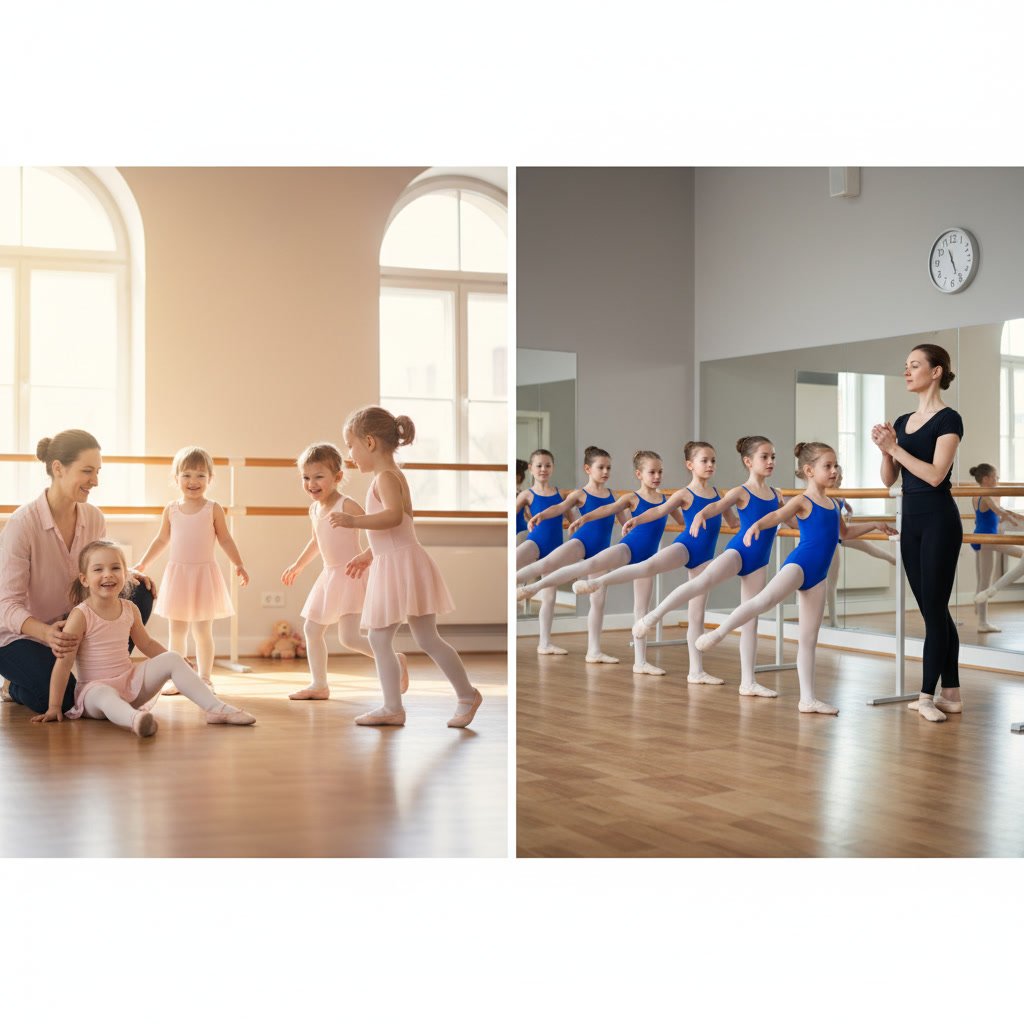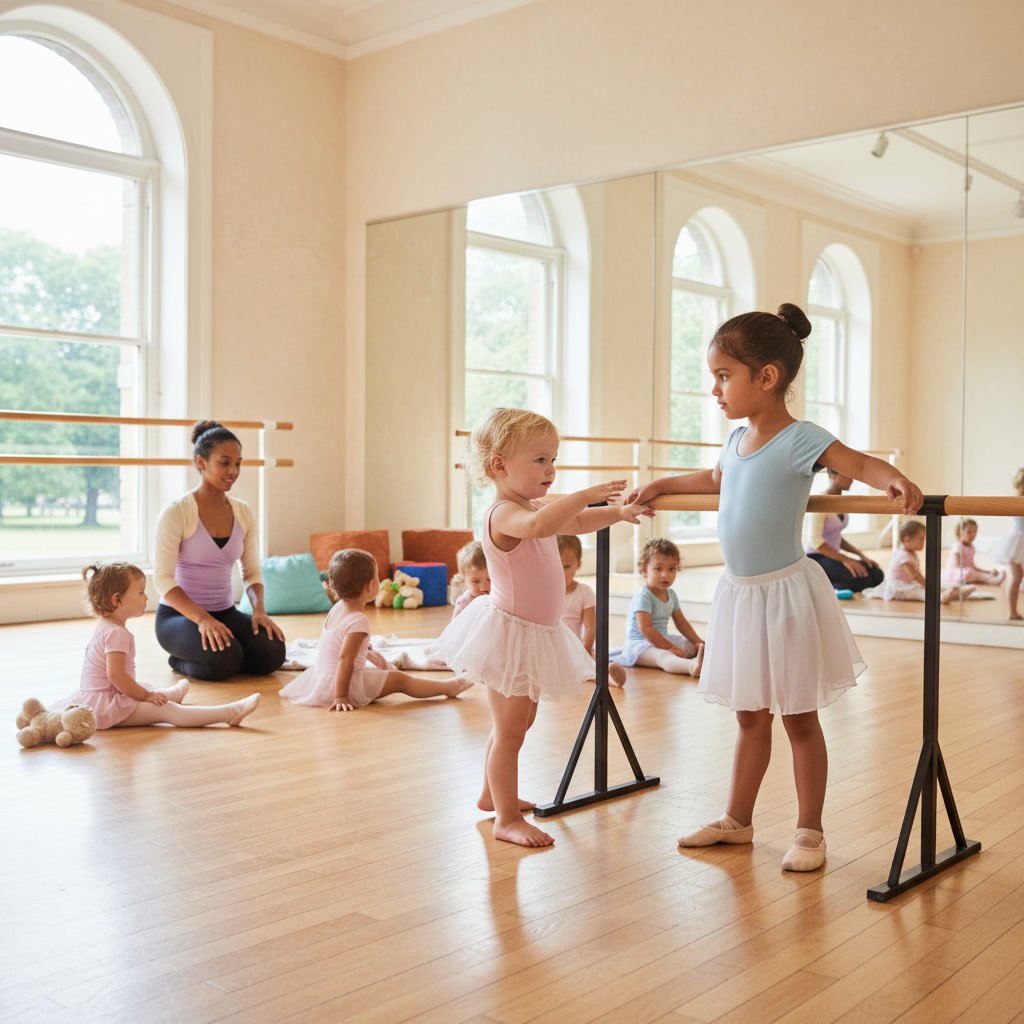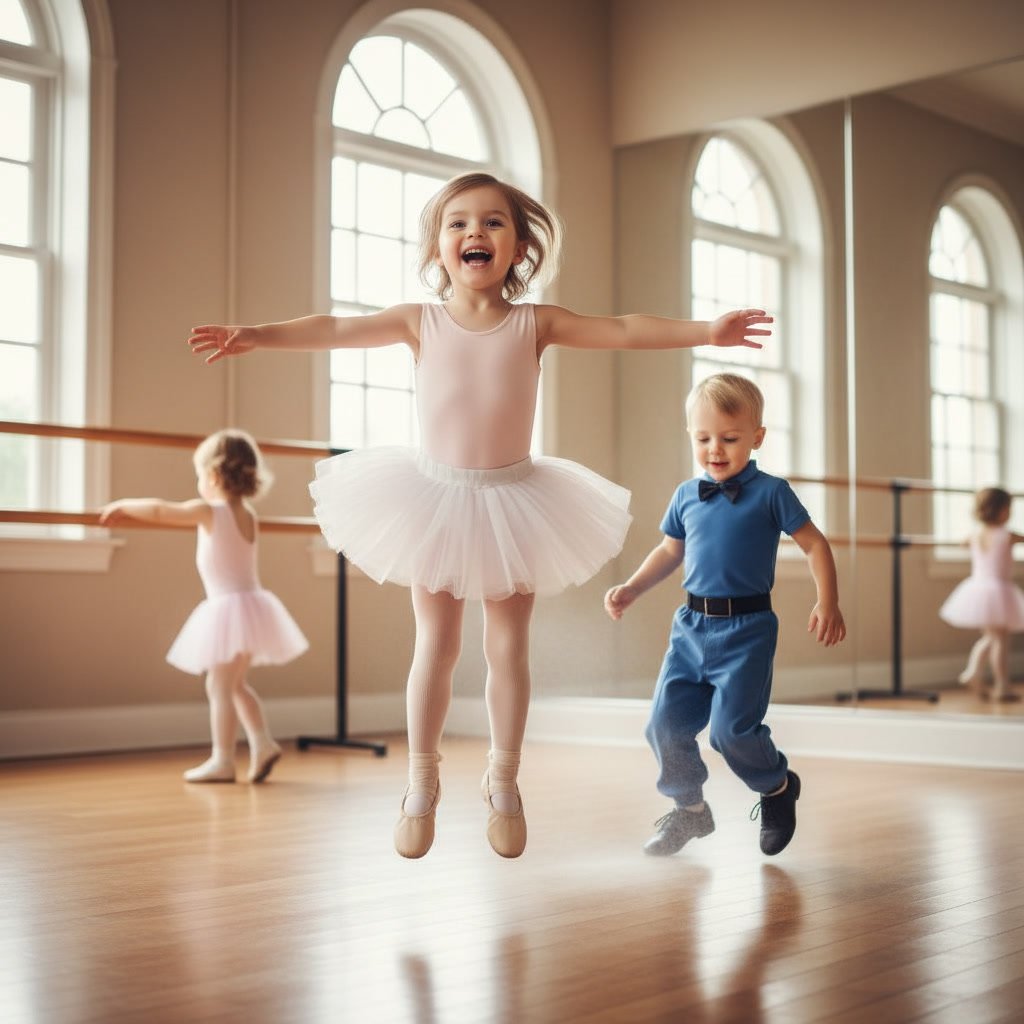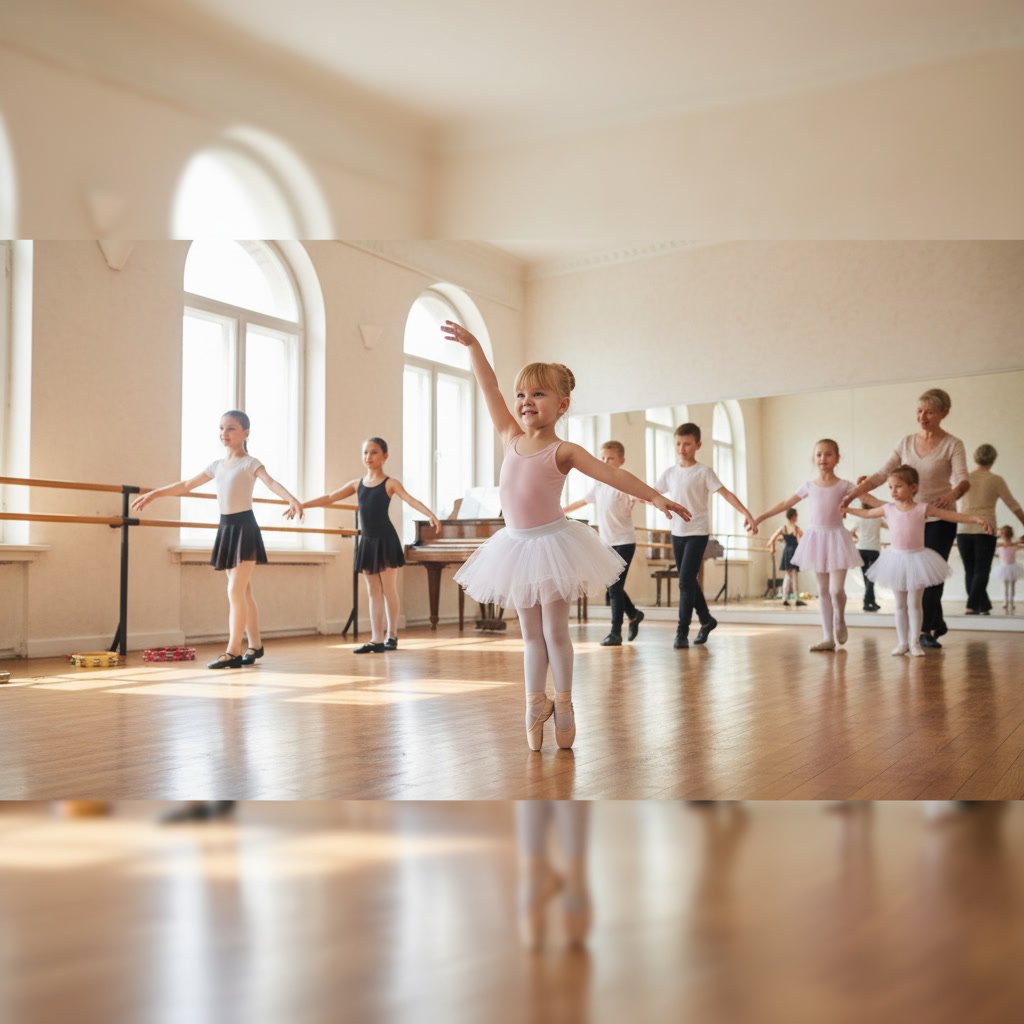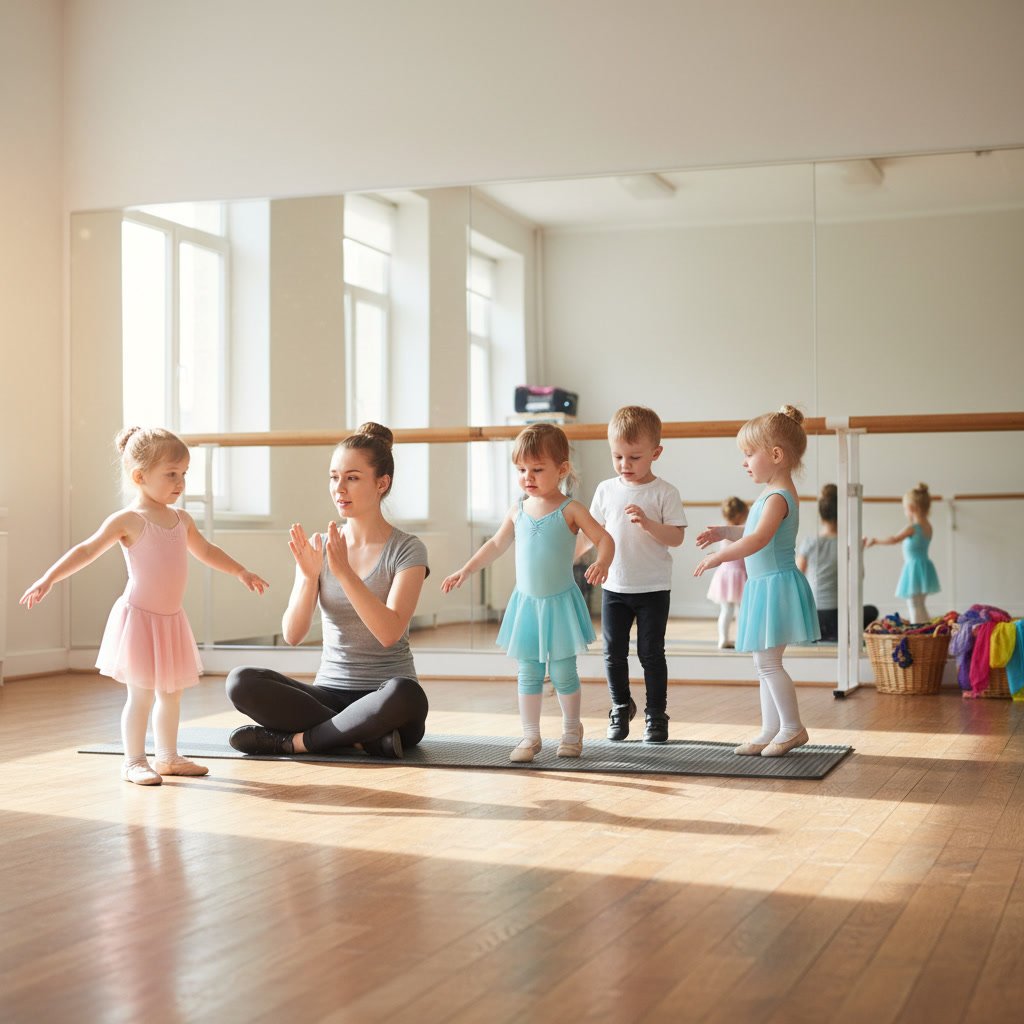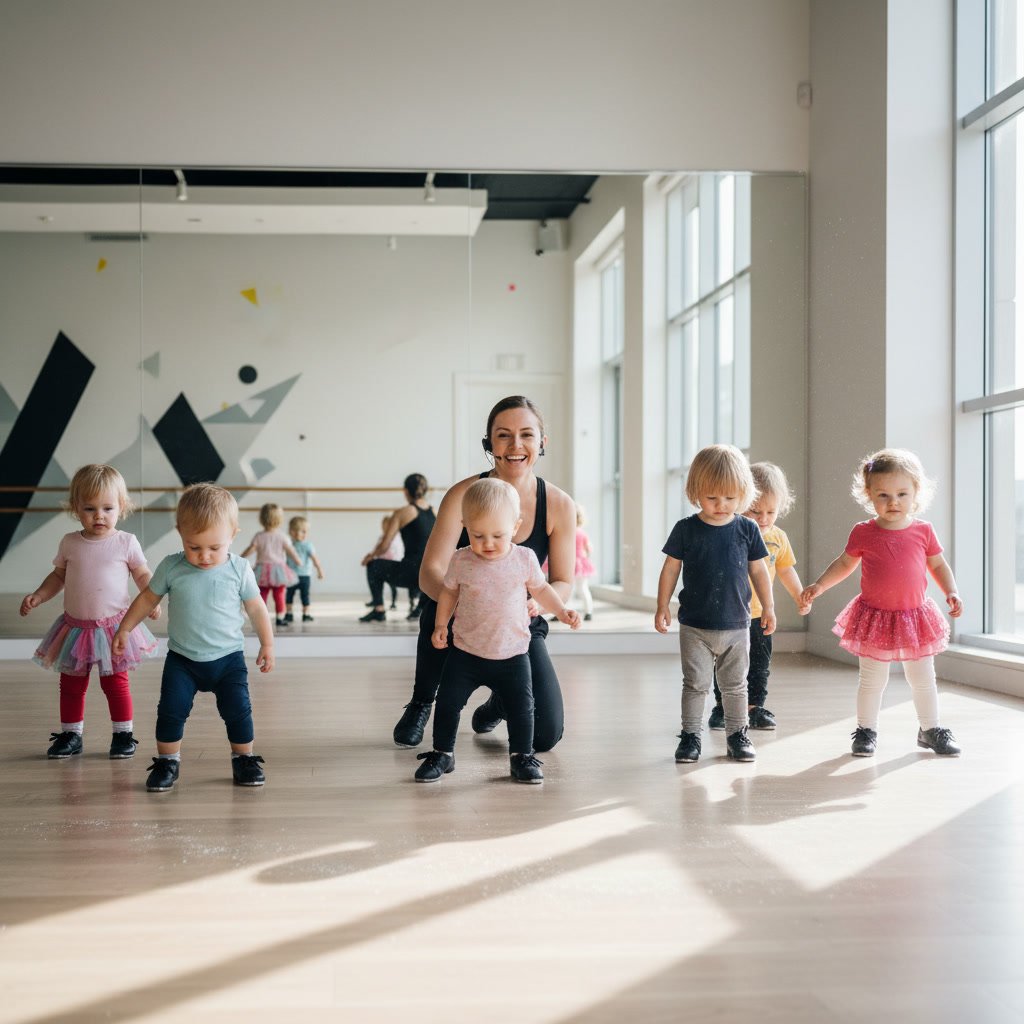
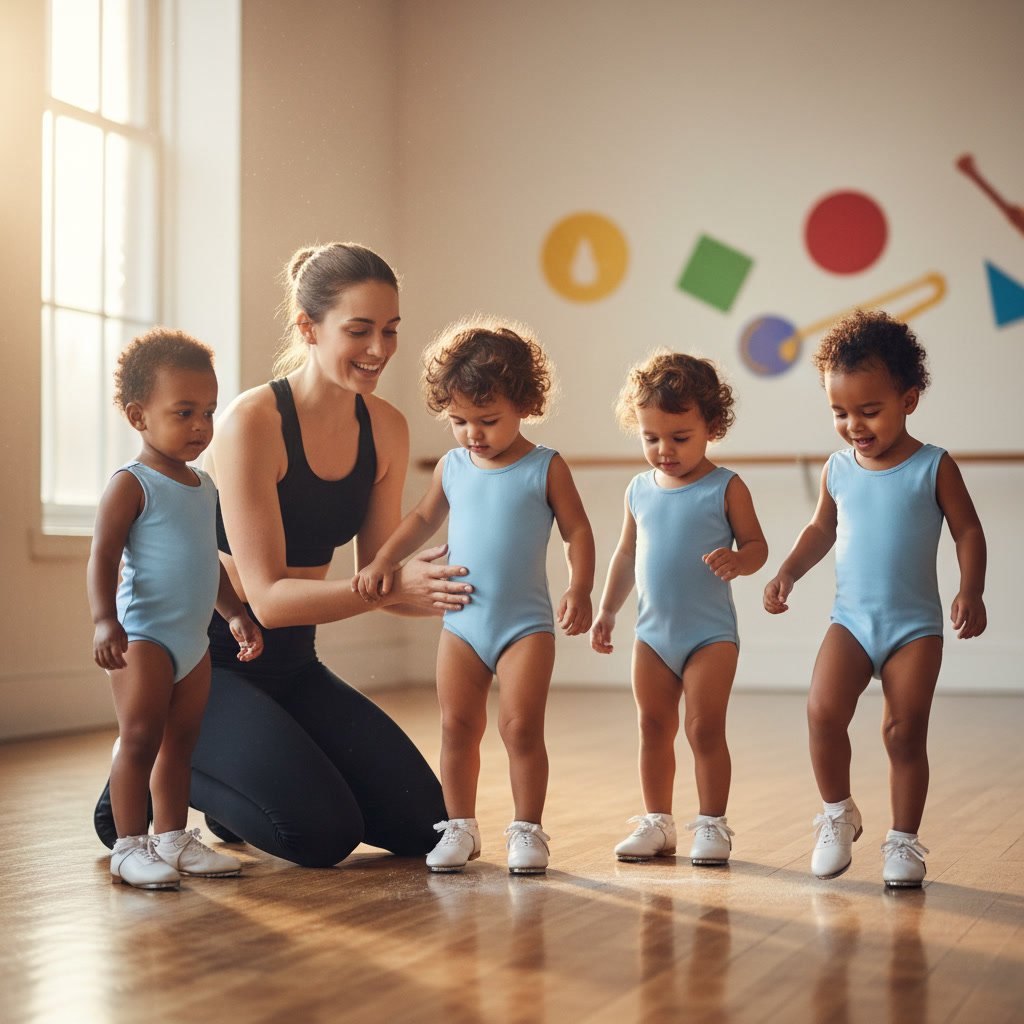
The first 10 minutes of a toddler tap dance class typically include greeting and check-in, transition time to remove shoes and put on tap shoes, a brief circle time for hello songs or rhythm games, and the start of gentle warm-up movements. This opening window helps young dancers feel comfortable, establishes routines, and introduces the unique sounds that make tap special. Understanding this structure can ease first-day jitters for both parents and children.
Why the First Few Minutes Matter Most
Young children thrive on predictable routines. The opening moments of any dance session create a sense of safety and familiarity that allows toddlers to relax and engage. When a child knows what to expect, they spend less energy managing anxiety and more energy learning.
Teachers at dance studios understand that toddlers arrive with different energy levels, moods, and comfort zones. Some children walk in ready to dance immediately. Others need a few minutes to observe before joining. The first 10 minutes accommodate all these temperaments by offering gentle structure without pressure.
The Role of Greeting and Emotional Check-In
Most tap classes for toddlers begin with a personal greeting. Teachers often welcome each child by name as they enter the studio. This simple act helps children feel seen and valued, which builds trust between instructor and student.
During this time, teachers also observe each child’s emotional state. A toddler who clings to a parent might need extra encouragement or a buddy to stand beside. A child bouncing with excitement might be paired with a calm activity first to help them focus. These small adjustments in the opening minutes can determine whether a child has a positive or frustrating experience.
Transition Time and the Magic of Tap Shoes
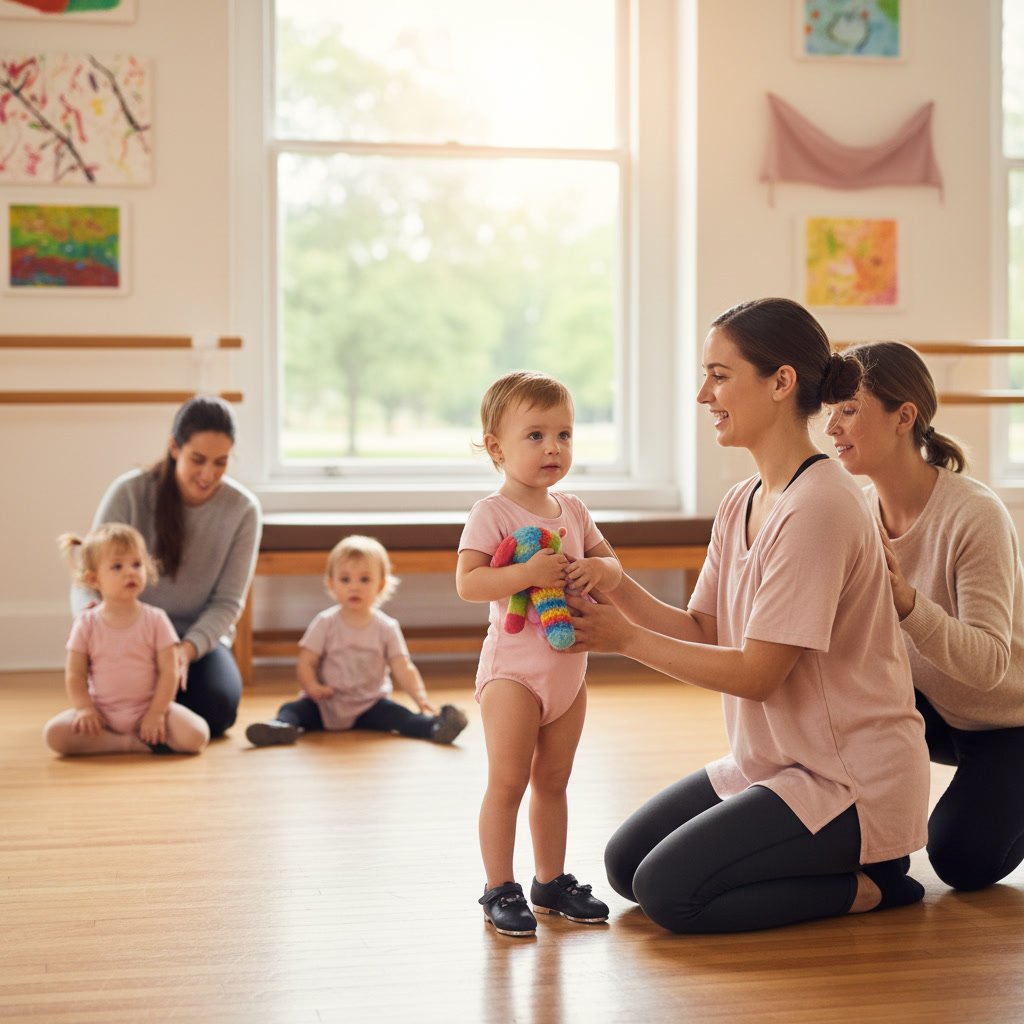
After greetings, children remove their street shoes and put on tap shoes. For many toddlers, this is the most exciting part of the entire class. The shoes themselves become a source of wonder and motivation.
Teachers use this transition wisely. They might ask children to tap their shoes on the floor once or twice, letting them hear the sound right away. This immediate sensory feedback captures attention and builds anticipation for what comes next. It also gives children who are nervous something concrete to focus on rather than their own anxiety.
Some studios keep this transition short and efficient, while others allow a few extra minutes for toddlers who struggle with buckles or straps. The goal is always to balance patience with forward momentum so that no child feels rushed or left behind.
Circle Time and Hello Songs
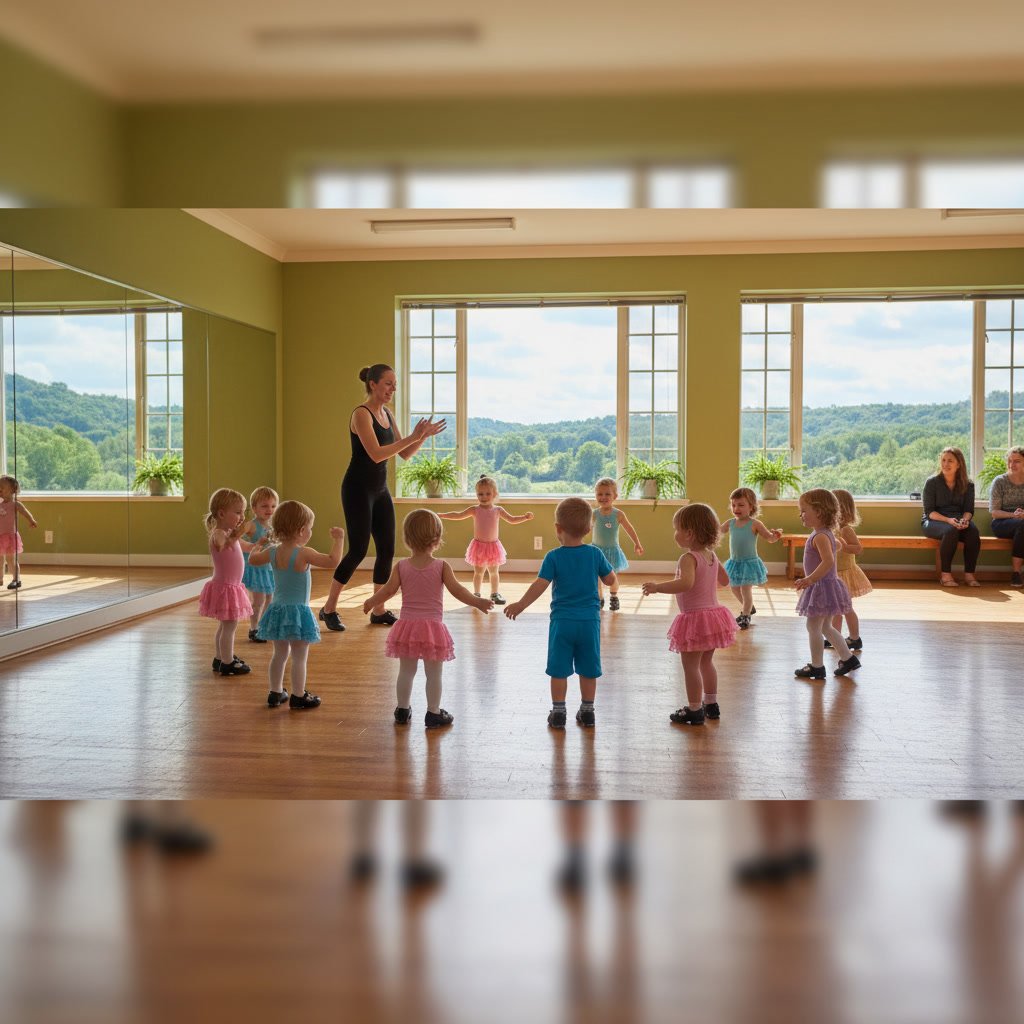
Many toddler tap classes include a brief circle time during the first 10 minutes. Children sit or stand in a circle while the teacher leads a hello song or rhythm game. This activity serves multiple purposes.
First, it gathers everyone’s attention in one spot. Second, it introduces the concept of rhythm in a low-pressure way. Third, it reinforces the social aspect of dance class, helping children see their peers as partners rather than distractions. Songs with hand claps or foot stomps work especially well because they mimic the tap sounds children will make once they start moving.
Circle time also gives teachers a chance to review basic expectations, such as listening when the music stops or taking turns. Toddlers benefit from hearing these reminders consistently, especially in the early weeks of a session.
Starting Warm-Up Movements in Greenacres
Around the seven or eight-minute mark, most classes transition from circle time to the first warm-up movements. These are usually simple actions like marching in place, stretching arms overhead, or bending knees. The teacher demonstrates each movement and invites children to copy.
At this stage, perfection is not the goal. Teachers encourage participation and celebrate effort rather than correct technique. A toddler who marches off-beat or stretches in the wrong direction is still engaging with the lesson, and that engagement matters more than precision at this age.
Warm-ups in Ballet and Tap classes for toddlers often include a mix of large motor movements and smaller, more controlled actions. This variety keeps children interested and prepares their bodies for the different types of movement they will practice later in the session.
Introducing Rhythm and Sound Exploration
One unique element of tap classes is the emphasis on sound. During the first 10 minutes, teachers often invite toddlers to experiment with making different noises using their tap shoes. They might ask children to stomp loudly, tap softly, or shuffle their feet.
This sound exploration serves as both a warm-up and a teaching tool. It helps children understand that their movements create audible rhythms, which is the foundation of tap dance. It also gives them permission to be loud and expressive, which is important for toddlers who are still learning to use their bodies confidently.
Teachers might use call-and-response games during this time. For example, the instructor taps a simple pattern, and the children try to repeat it. This game builds listening skills, pattern recognition, and coordination all at once.
Managing Energy Levels and Attention Spans
Toddlers have short attention spans, typically ranging from three to eight minutes depending on age and temperament. Experienced teachers structure the first 10 minutes with this reality in mind. They switch activities every two to three minutes to maintain engagement.
A well-paced opening might include one minute of greeting, two minutes of shoe transition, two minutes of circle time, three minutes of warm-up movements, and two minutes of sound exploration. This rapid rotation prevents boredom and keeps energy levels high without overwhelming young dancers.
Teachers also watch for signs of fatigue or overstimulation. If several children seem distracted or restless, a quick shift to a different activity can reset the group’s focus. This flexibility is one reason why dance classes designed specifically for toddlers and preschoolers differ so much from classes for older children.
How Teachers Build Confidence Early
The first 10 minutes offer numerous opportunities for teachers to build confidence. Simple phrases like “I see you tapping” or “You’re listening so well” reinforce positive behaviors without singling out children who may be struggling.
Teachers also model every movement themselves, showing children exactly what to do. This reduces confusion and helps visual learners succeed. For kinesthetic learners, teachers might gently guide a child’s foot or hand to help them feel the correct motion.
One expert-level insight from child development research is that toddlers learn best when they feel a sense of autonomy. Teachers who give children small choices during the first 10 minutes, such as “Do you want to stand in the front row or the back row,” increase engagement and cooperation. This technique respects the child’s need for control while maintaining the structure of the class.
What Parents Should Expect to See
If you observe your child’s first class, you will likely notice that not every toddler participates in the same way. Some children jump right in, while others watch from the sidelines for several minutes. Both responses are normal and healthy.
Teachers encourage but never force participation. A child who observes during the first 10 minutes is still absorbing information and learning. By the second or third class, many of these observers begin to join in as their comfort level grows.
You may also notice that teachers repeat instructions multiple times and demonstrate movements more than once. This repetition is intentional and necessary for toddlers, who process information at a different pace than older children. If your child seems to benefit from additional structure or smaller class sizes, you might explore options like Mommy and Me sessions where parents participate alongside their children.
How the First 10 Minutes Connect to Later Learning
The routines established in the opening minutes create a foundation for everything that follows. When children know that class always starts with a greeting and warm-up, they arrive ready to engage. This predictability reduces anxiety and allows toddlers to focus on learning new skills.
The rhythm games and sound exploration introduced early also prepare children for more complex tap combinations later in the session. By the time teachers introduce specific steps like shuffle or flap, toddlers have already practiced making controlled sounds with their feet and listening to rhythmic patterns.
Additionally, the confidence-building strategies used in the first 10 minutes carry through the entire class. Children who receive positive reinforcement early are more likely to take risks and try new movements as the session progresses. This emotional foundation matters just as much as the physical skills being taught.
Setting Your Child Up for a Great Start
Understanding what happens during the first 10 minutes helps parents prepare their children for success. Arrive a few minutes early so your toddler has time to adjust to the studio environment before class begins. Bring tap shoes that fit well and are easy for your child to put on independently or with minimal help.
Talk to your child about what to expect, but keep explanations simple and positive. You might say, “You’ll put on your special tap shoes and play rhythm games with your teacher.” Avoid creating pressure by setting performance expectations. The goal at this age is enjoyment and exploration, not perfection.
If your child has experienced other movement classes like Tumbling and Gymnastics, they may adapt to tap class routines quickly. If this is their first structured activity, give them a few sessions to adjust before deciding whether the class is a good fit.
Building a Love of Dance One Class at a Time
The first 10 minutes of a toddler tap dance class lay the groundwork for a positive, engaging experience. Through greeting rituals, shoe transitions, circle time, warm-ups, and sound exploration, teachers create an environment where young children feel safe, valued, and excited to move. These opening moments balance structure with flexibility, allowing each child to participate in ways that match their temperament and readiness.
Parents who understand this structure can support their children more effectively and set realistic expectations for early classes. The routines and confidence-building strategies introduced at the start of each session contribute to long-term success and a genuine love of dance.
If you’re ready to give your toddler the gift of rhythm, movement, and creative expression, Lisa’s Dance and Exercise in Greenacres welcomes new students throughout the year. Our experienced teachers specialize in creating joyful, age-appropriate classes that meet children where they are. Reach out at +15613175738 to learn more about our class schedule and enrollment options.