Parents often wonder whether to start ballet 18 months into their child’s life or hold off until age three. The answer depends on your child’s physical coordination, attention span, ability to follow simple instructions, and comfort level in group settings. While some toddlers thrive in structured movement classes before age two, others benefit from waiting until they can better focus and engage with formal dance instruction.
Every child develops at their own pace, and there is no universal right answer. Understanding the developmental milestones and realistic expectations for each age group will help you make the best decision for your family.
What Happens in Ballet Classes for Very Young Children
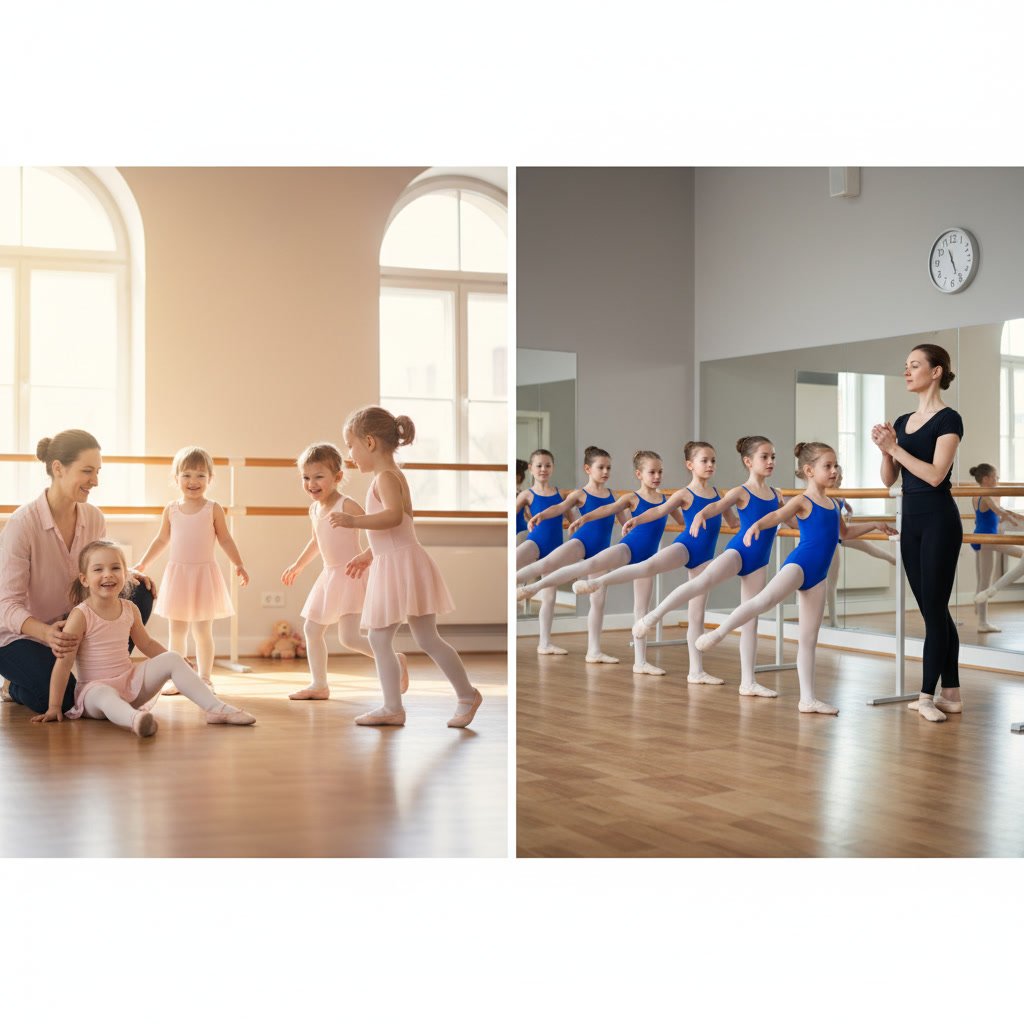
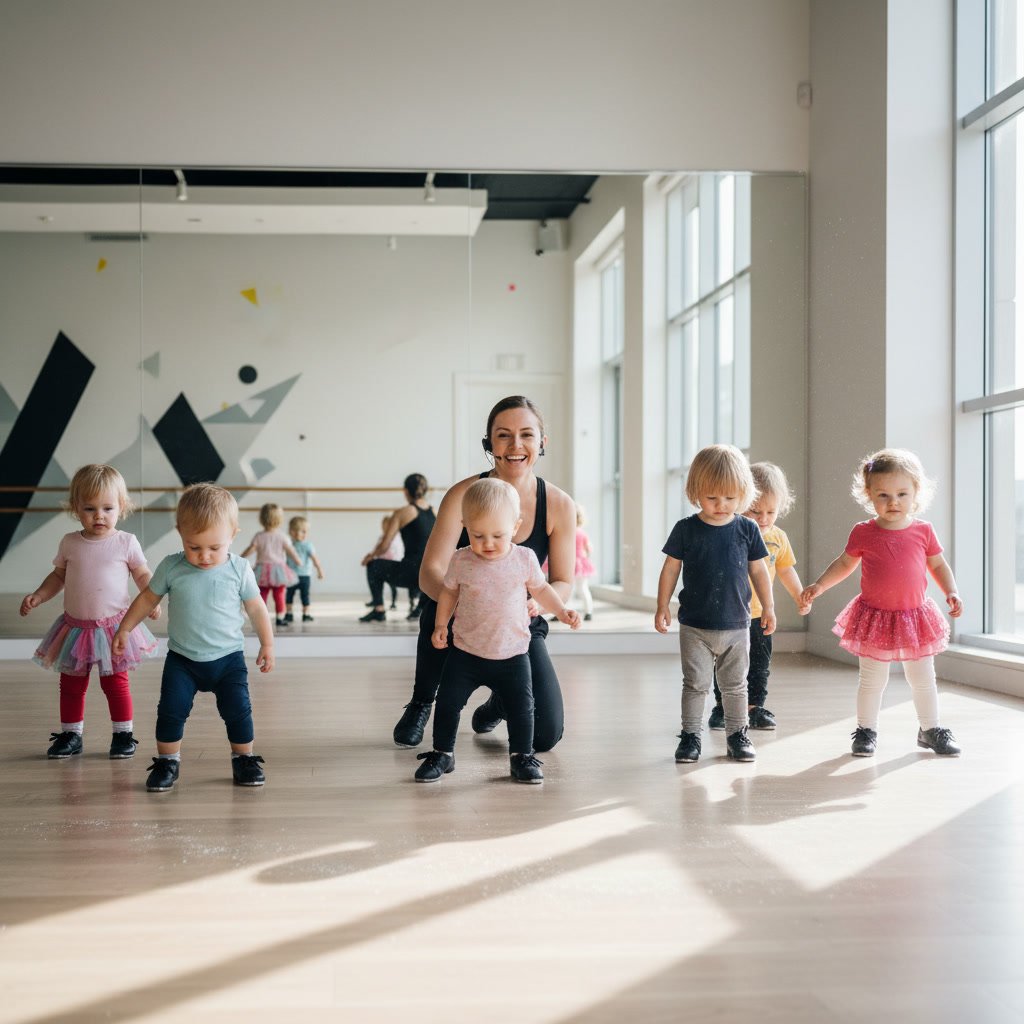
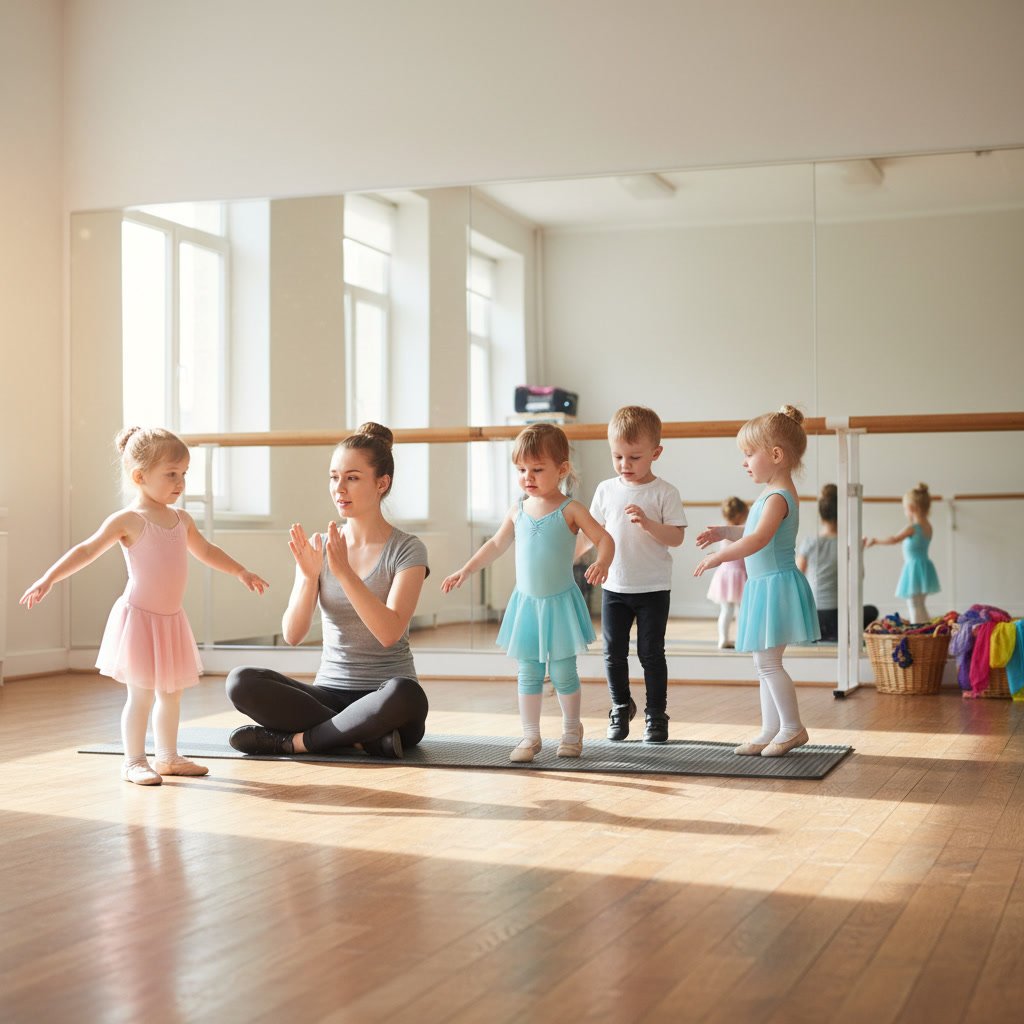
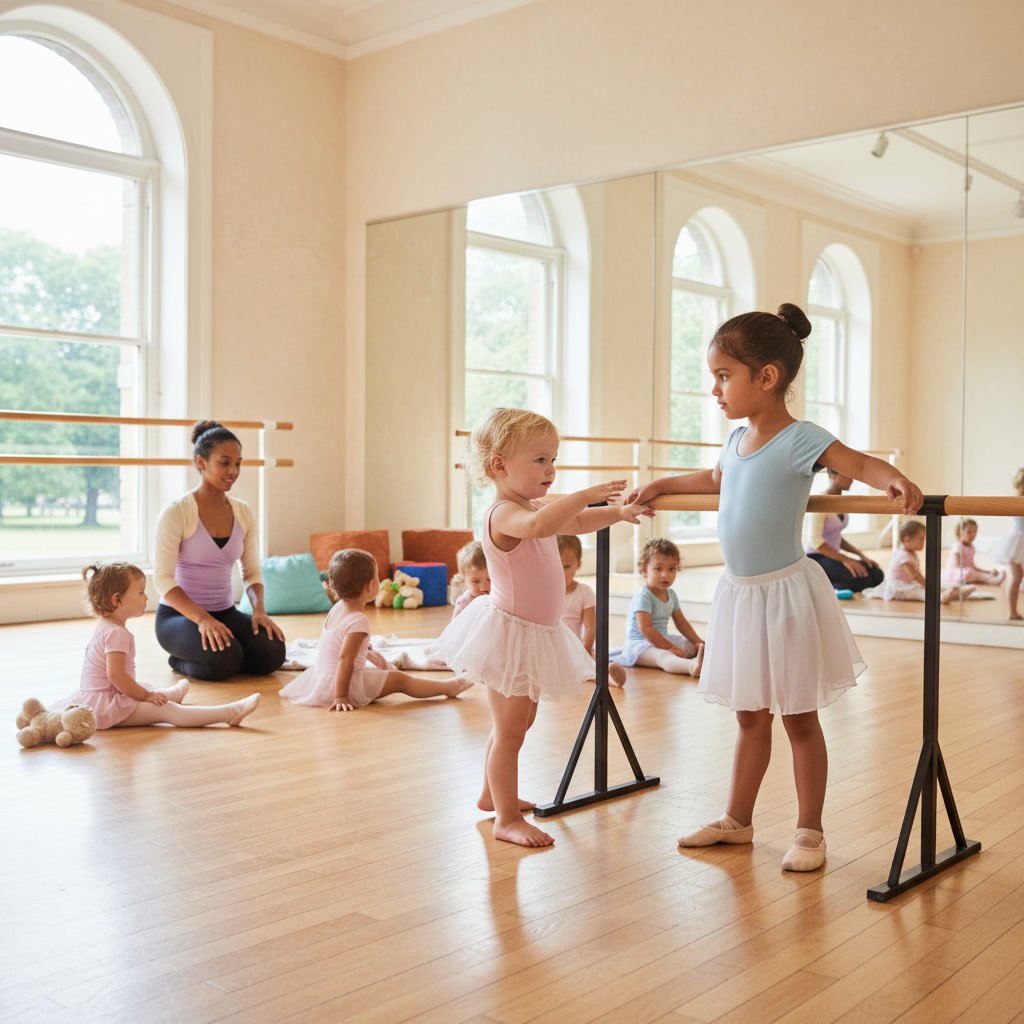
Classes designed for children as young as 18 months look very different from traditional ballet instruction. At this age, sessions focus on creative movement, music exploration, and basic motor skills rather than formal technique. Activities include marching to rhythm, simple stretching, imaginative play, and gentle coordination exercises.
Parents typically stay in the room during these early classes, providing comfort and helping toddlers transition into the group environment. The structure remains loose and playful, with frequent breaks and changes in activity to match short attention spans.
Developmental Readiness Markers for 18-Month-Olds
At 18 months, most toddlers are still mastering walking and beginning to run. They can typically follow one-step directions like “sit down” or “come here,” but multi-step instructions remain challenging. Their attention span usually lasts between one and three minutes for any single activity.
Socially, children this young engage mainly in parallel play. They enjoy being near other children but rarely interact directly or share. Separation anxiety often peaks during this period, making parent participation essential for success in any group activity.
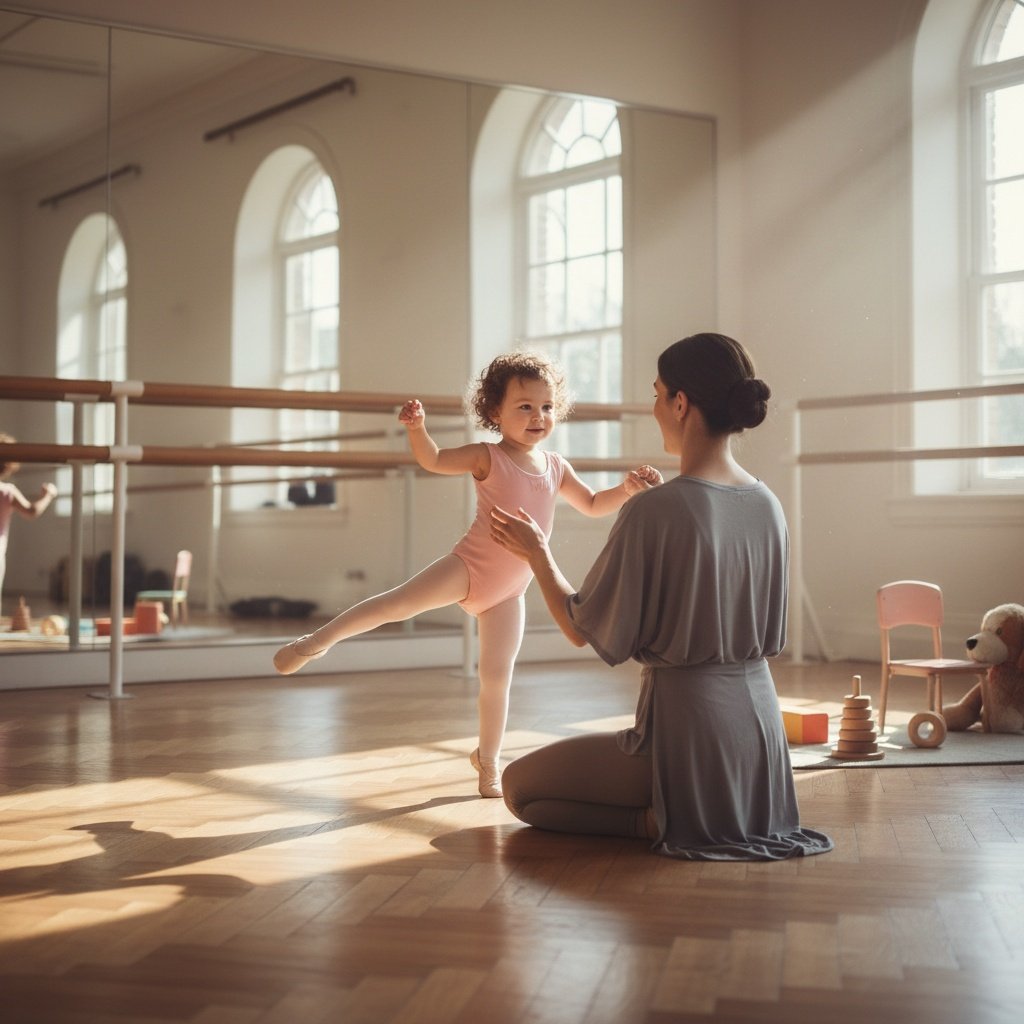
Fine and gross motor skills are still emerging. Most 18-month-olds can kick a ball, climb on furniture, and attempt to jump, but balance remains inconsistent. These physical realities shape what movement activities are appropriate and safe.
What Three-Year-Olds Bring to the Dance Studio
By age three, children typically demonstrate longer attention spans, averaging five to eight minutes on a single task. They can follow two-step instructions and begin to understand the concept of taking turns. Language skills expand dramatically, allowing them to express needs and understand verbal corrections.
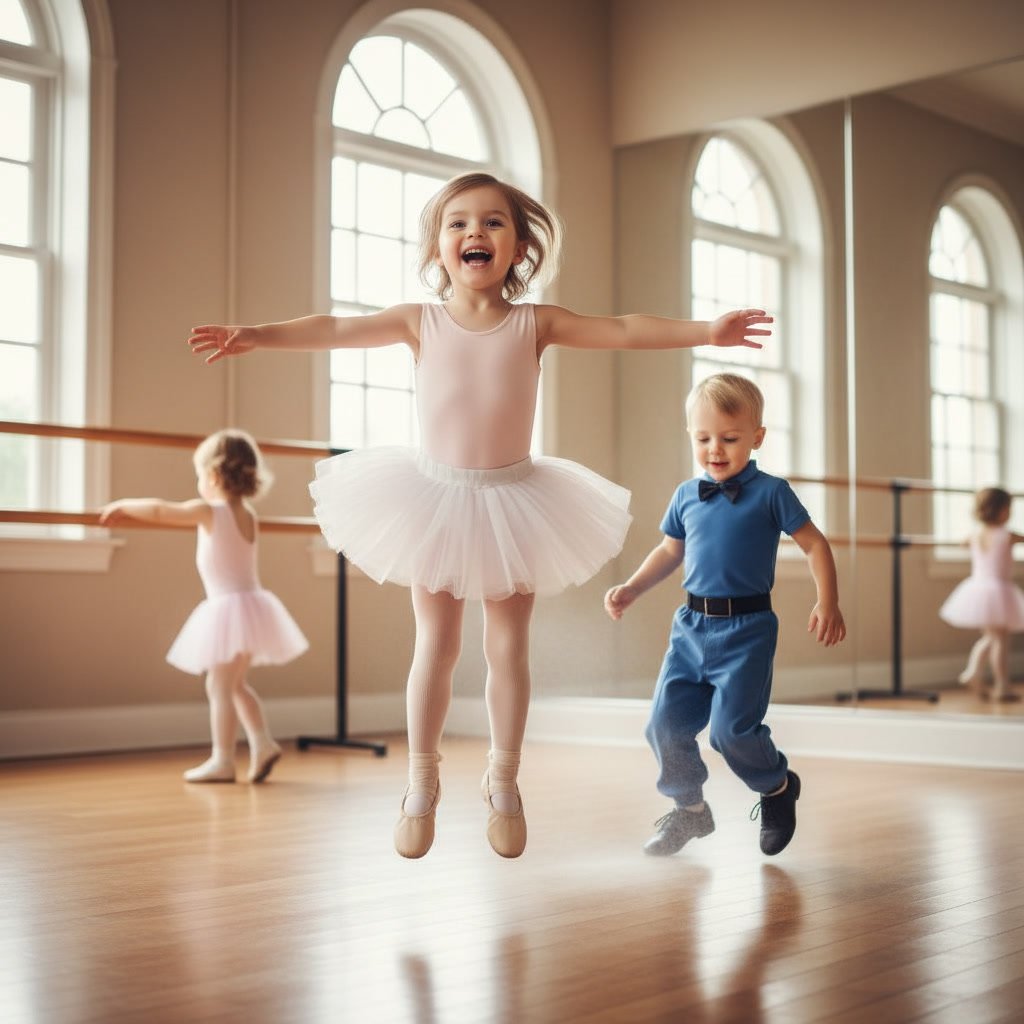
Three-year-olds often show interest in copying movements and performing for others. They start engaging in cooperative play and can participate in simple group activities without constant parental presence. Physical coordination improves significantly, with most children able to balance on one foot briefly, hop, and execute more controlled movements.
The Unique Benefits of Starting at 18 Months in Greenacres
Starting dance exposure early helps some children develop comfort with music, rhythm, and movement in a low-pressure environment. For families seeking structured activities that encourage bonding, parent-child movement classes offer quality time while introducing foundational skills.
Early classes can help active toddlers channel energy positively and establish routine. Children who attend regularly often show increased confidence in group settings and smoother transitions into more formal classes later. The key advantage lies not in technical skill development but in building positive associations with movement and music.
Why Waiting Until Age Three Makes Sense for Many Families
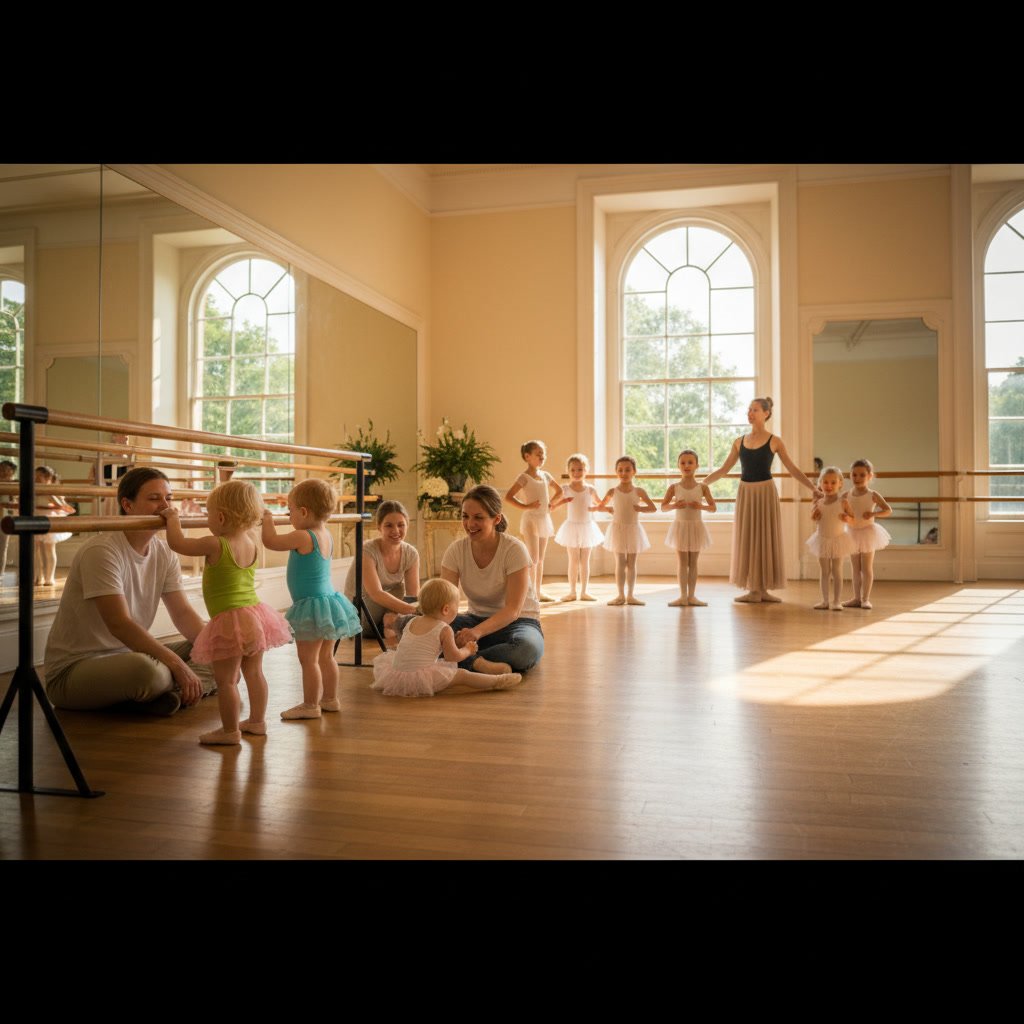
Children who begin at three typically grasp concepts faster and retain choreography more effectively. They can participate independently, freeing parents from needing to stay in class. The reduced separation anxiety means fewer disruptions and more consistent learning.
Three-year-olds benefit more from actual Ballet and Tap instruction because they can follow directions, wait their turn, and understand basic corrections. Teachers can introduce proper posture, foot positions, and simple combinations that younger toddlers cannot yet execute.
From a practical standpoint, waiting also means fewer sessions interrupted by illness, meltdowns, or refusal to participate. The investment in class fees yields more consistent attendance and visible progress.
Five Questions to Ask Before Enrolling Your Toddler
Can your child follow a simple instruction like “touch your toes” or “spin around”? If not, they may struggle with even the most basic class structure. Watch how they respond to direction during everyday activities.
Does your child show interest in music and movement at home? Toddlers who naturally dance to songs or enjoy moving their bodies often adapt more easily to structured classes than those who show little interest.
How does your child handle new environments and people? A toddler who becomes overwhelmed or fearful in unfamiliar settings may need more time before joining group activities.
Can you commit to staying in class for the duration? Parent participation is non-negotiable for 18-month-olds. If your schedule does not allow this level of involvement, waiting may be the better choice.
What are your goals for enrollment? If you seek serious dance training, waiting makes sense. If you want social exposure and active play, earlier classes can work well.
How Class Structure Differs by Age Group
Classes for 18-month-olds typically last 30 minutes and include frequent transitions. Instructors use props like scarves, bubbles, and stuffed animals to maintain engagement. There is minimal emphasis on specific dance positions or techniques.
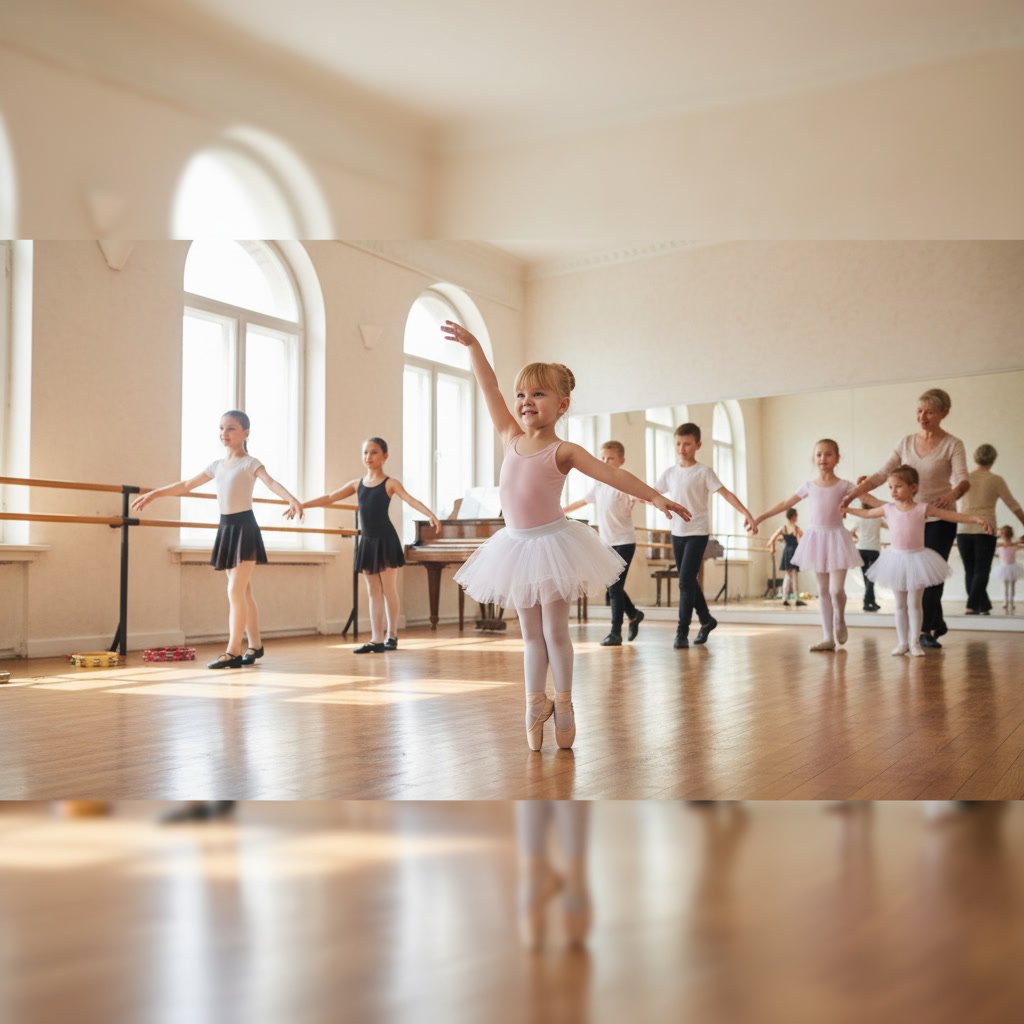
Three-year-old classes extend to 45 minutes or an hour and follow a more predictable format. Children learn to line up, take turns, and practice specific skills repeatedly. Instructors introduce basic ballet vocabulary and expect children to attempt movements independently.
The teaching approach shifts from pure play to guided instruction. While fun remains central, accountability increases. Children at three can understand the concept of practice and improvement in ways that 18-month-olds cannot.
Parent Involvement and What to Expect
For toddlers under two, parents function as co-participants. You will likely dance alongside your child, help them follow directions, and provide reassurance. This participation strengthens your bond and models positive engagement with learning.
As children approach three, studios typically transition to parent observation rather than participation. This shift supports independence and allows teachers to establish direct relationships with students. Some children handle this transition smoothly, while others need gradual adjustment.
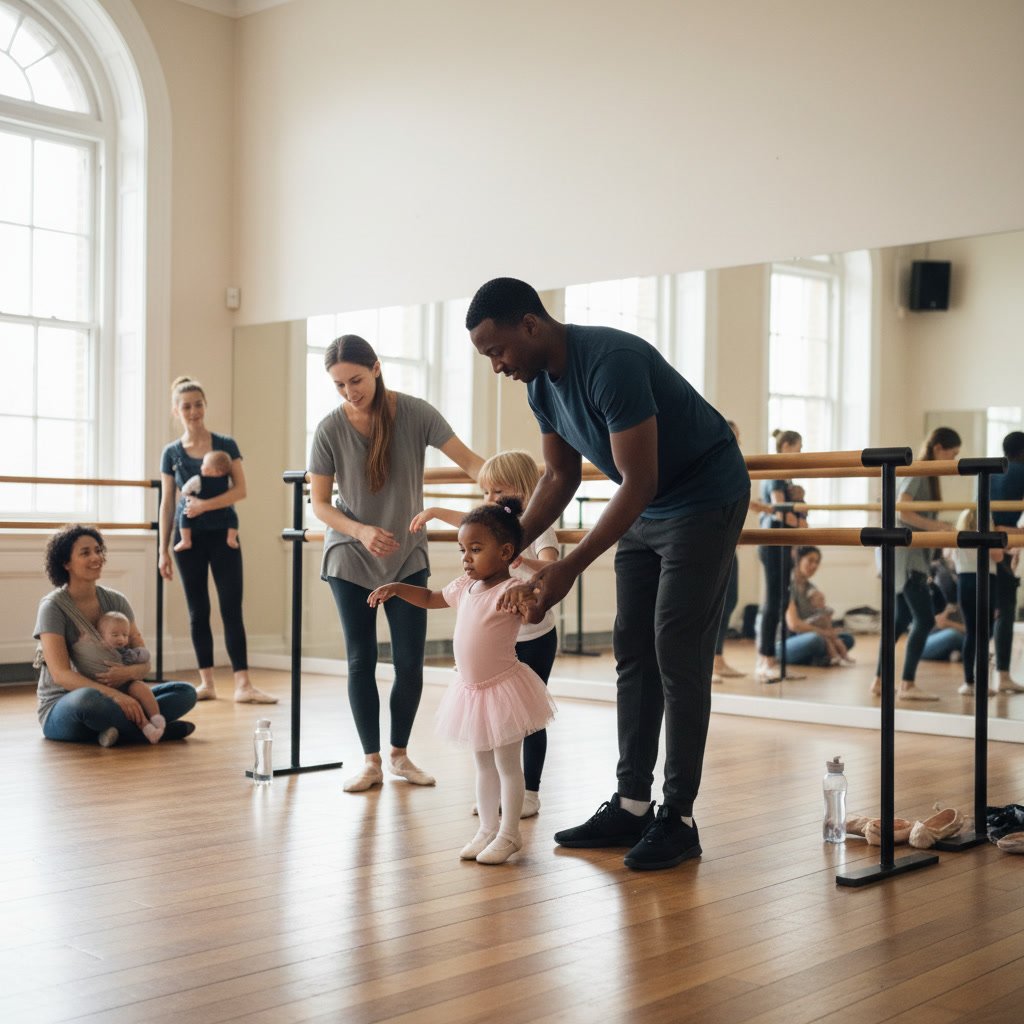
Understanding your role in each age group helps set realistic expectations. Mommy and Me classes specifically designed for the youngest dancers provide the right framework for parent involvement.
When to Switch from Exploration to Formal Instruction
If your child begins at 18 months, watch for signs they are ready for more structure. Increased attention span, ability to follow multi-step directions, and interest in repeating specific movements indicate readiness for formal classes.
Most children transition successfully between ages two and a half and four. The shift does not need to be abrupt. Many studios offer bridge classes that gradually increase structure while maintaining playful elements.
Pushing formal instruction too early can create frustration and negative associations with dance. Waiting until your child shows genuine readiness preserves their natural love of movement and sets the stage for long-term enjoyment. For guidance on recognizing these signs, read about how to tell when your child is ready for ballet lessons.
Other Dance Styles to Consider for Young Beginners
Ballet is not the only option for young children. Jazz and Acro classes introduce different movement vocabularies and often feel more energetic and playful. Some toddlers respond better to upbeat music and faster-paced activities.
Tumbling and gymnastics classes build strength, coordination, and spatial awareness through floor work and equipment. These skills transfer beautifully to dance when children are ready.
Exploring different movement styles helps you discover what resonates with your child. There is no requirement to commit exclusively to ballet, especially in the early years when exposure matters more than specialization.
Making the Right Choice for Your Family
The decision to enroll at 18 months or wait until three should account for your child’s unique temperament, developmental stage, and your family’s goals. Neither choice is inherently better. Early classes offer socialization and bonding opportunities, while later enrollment typically yields faster skill development and independent participation.
Trust your instincts about your child’s readiness. If you feel uncertain, many studios offer trial classes that let you assess fit before committing. Observing a class in progress also provides valuable insight into whether the environment matches your expectations.
Whether you choose to begin now or wait, the most important factor is maintaining a positive, pressure-free approach to movement and learning. Dance should bring joy and confidence, not stress or comparison. Starting at the right time for your individual child sets the foundation for years of enjoyment.
If you are considering dance classes for your toddler or preschooler in the Greenacres area, Lisa’s Dance and Exercise offers programs designed specifically for young beginners at every developmental stage. Our experienced instructors understand how to meet children where they are and help them grow at their own pace. Reach out to discuss which class is the best fit for your child by calling +15613175738 or visiting our studio at 3965 Jog Road.