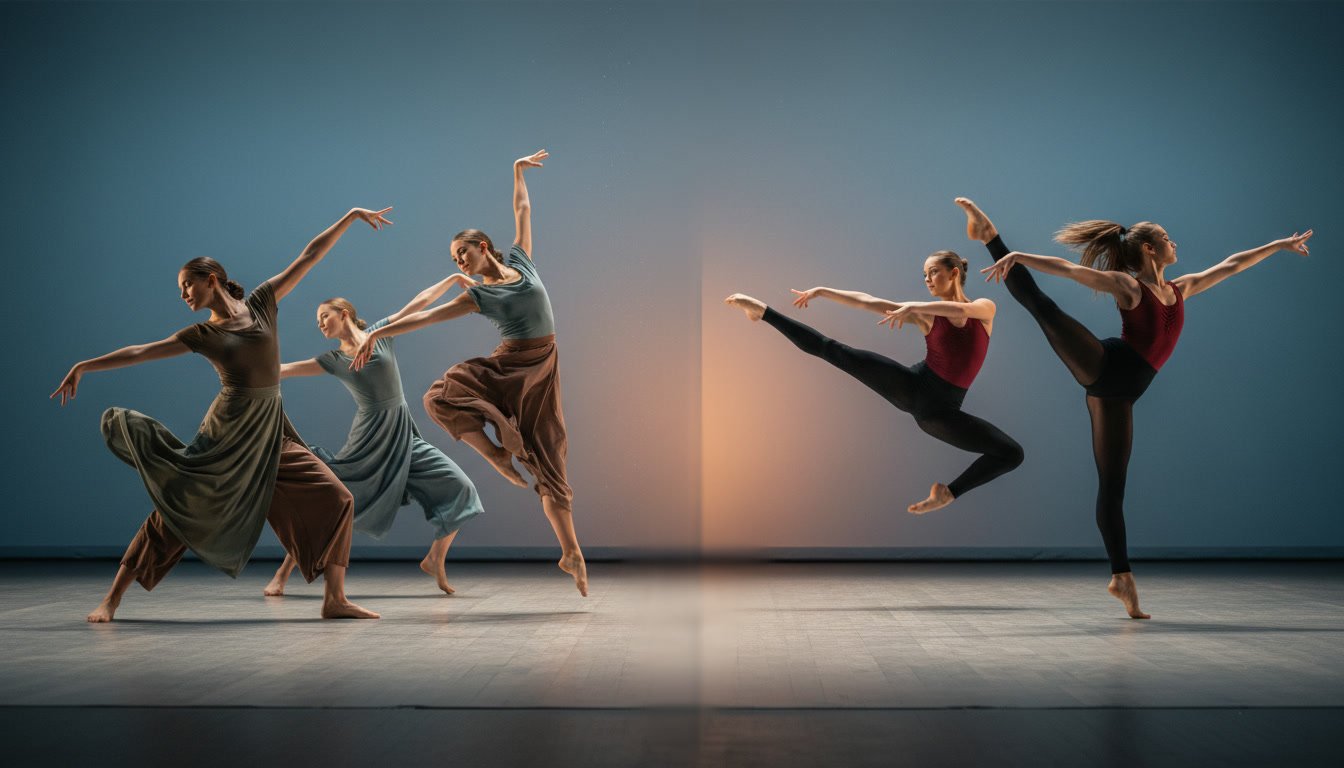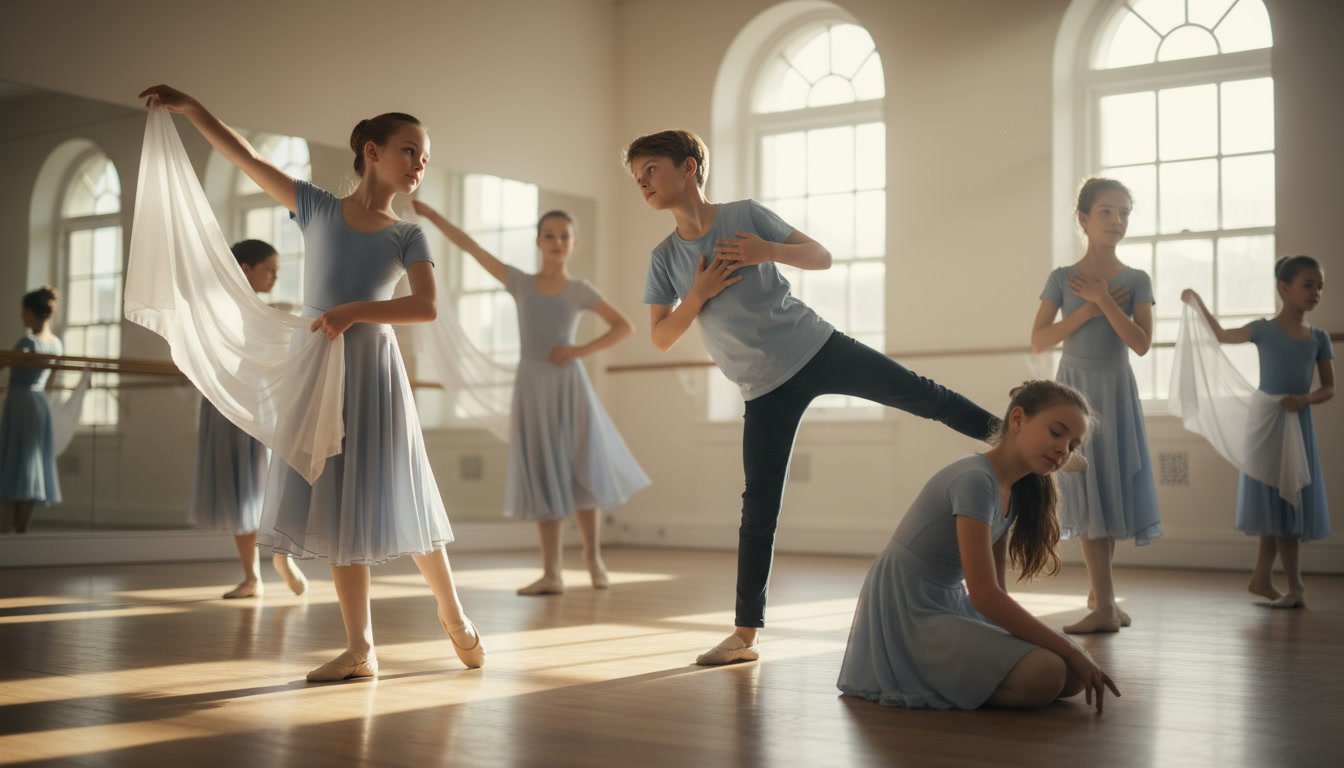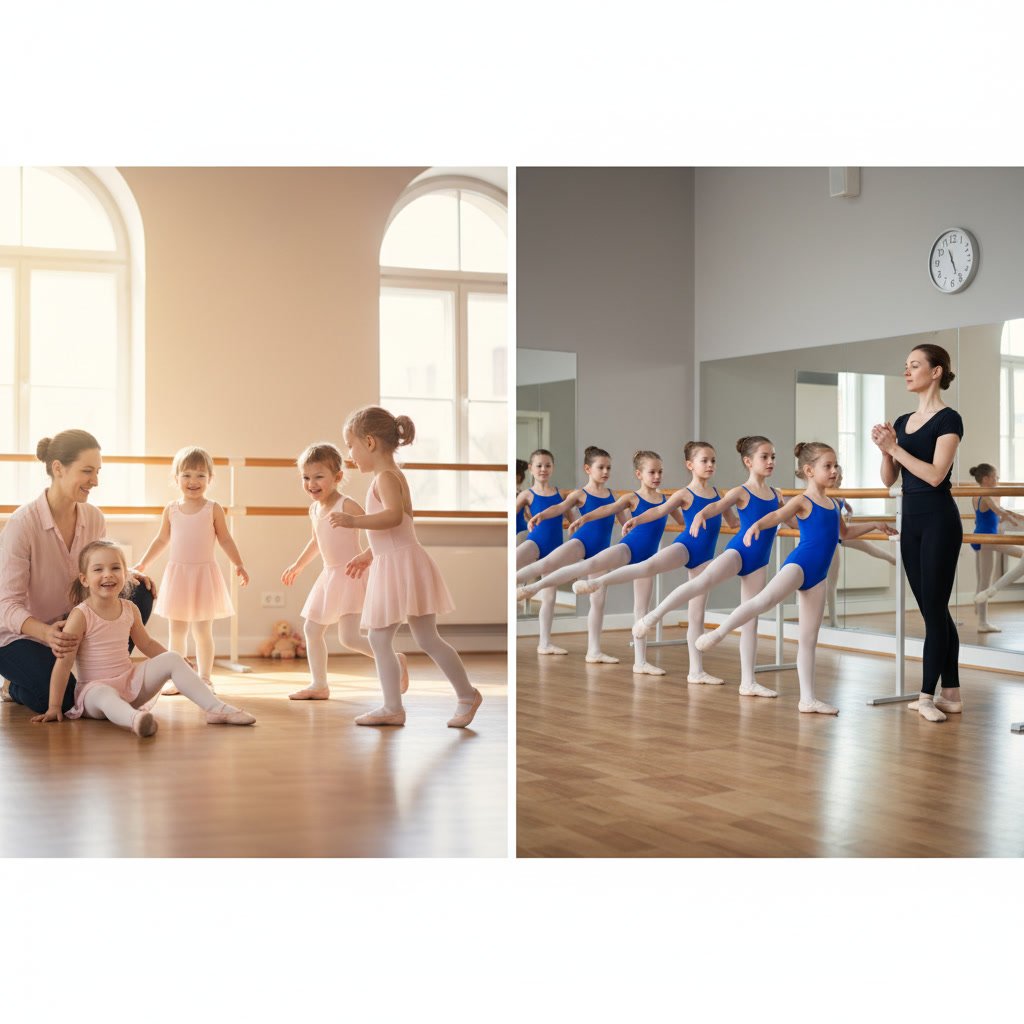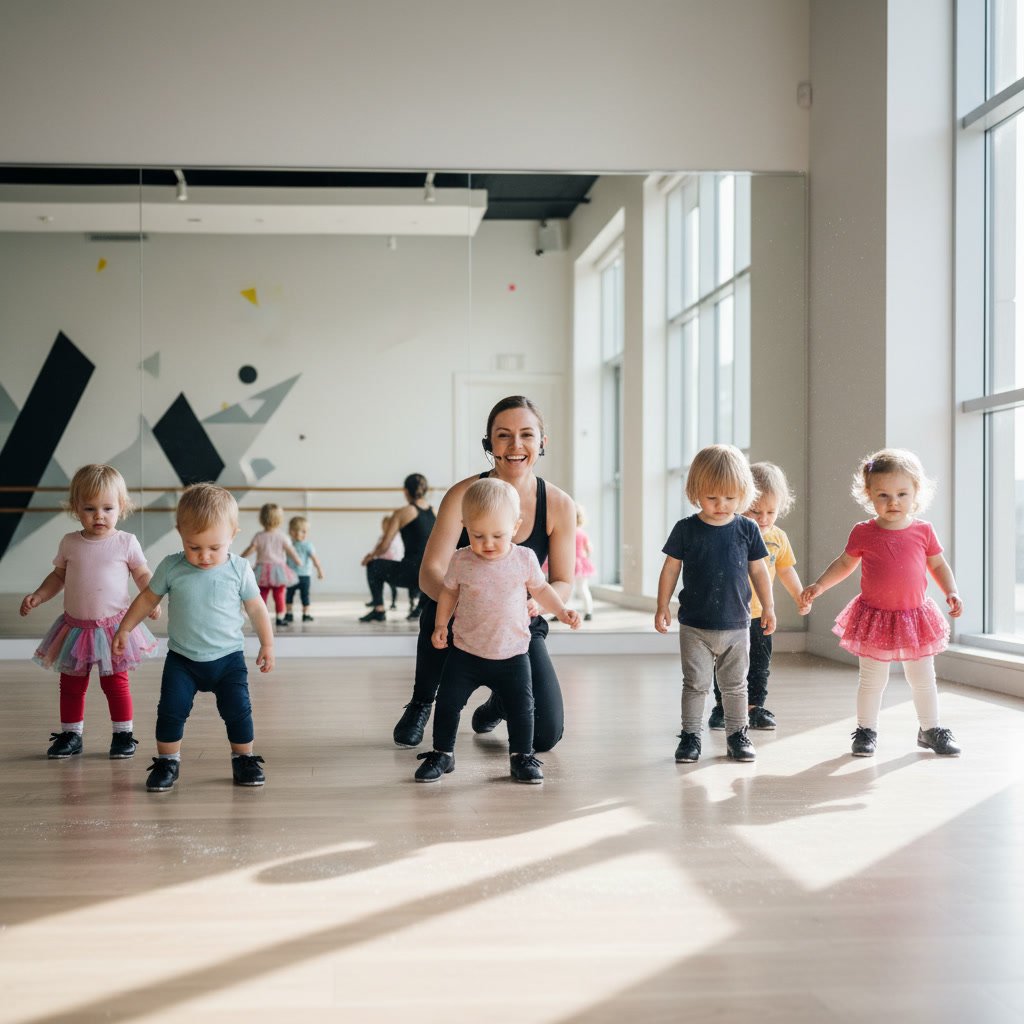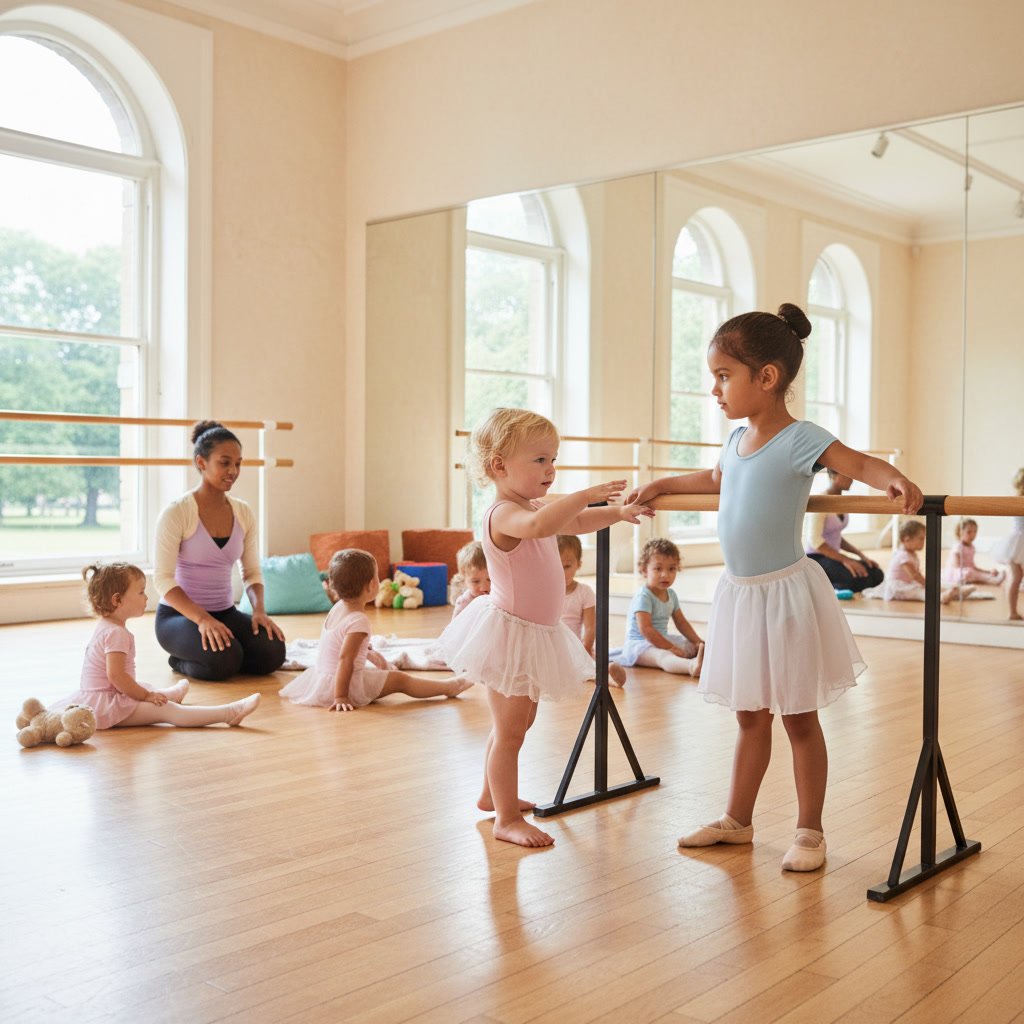
Children display distinct behavioral, physical, and temperamental traits that suggest they might thrive more in Karate than dance or gymnastics. If your child prefers structured rules, enjoys solo challenges, and responds well to clear discipline, they may be better suited to martial arts than group performance activities. Observing these characteristics early helps you choose the activity where your child excel karate training rather than struggle in an environment that doesn’t match their natural strengths.
Understanding Different Movement Learning Styles
Children absorb physical instruction in remarkably different ways. Some learn by watching and mirroring fluid movements, while others need precise verbal cues and step-by-step breakdowns. Karate instruction typically follows a highly structured progression where students master one technique before advancing to the next. Dance and gymnastics often blend multiple skills simultaneously, asking children to coordinate rhythm, expression, flexibility, and strength all at once.
A child who asks detailed questions about exactly how to position their hands or feet, who wants to repeat a single move until it’s perfect, and who becomes frustrated when choreography changes too quickly often finds more satisfaction in martial arts. The belt system in karate provides clear milestones that appeal to goal-oriented children who thrive on measurable progress.
Competitive Drive Versus Collaborative Spirit
Watch how your child plays with peers. Do they prefer head-to-head competition, keeping score, and testing themselves against others individually? Or do they light up when working as part of a team, performing synchronized movements, and sharing the spotlight? Karate emphasizes individual achievement within a respectful group setting. While students train together, advancement depends entirely on personal skill mastery.
Dance classes and Cheerleading place greater emphasis on ensemble work, where your child’s timing must match the group and the overall visual effect depends on everyone moving in harmony. Children who become anxious about letting teammates down or who struggle with the concept that their performance affects others may feel less pressure in the individual accountability model that martial arts provides.
Response to Discipline and Authority
Martial arts classes maintain formal protocols. Students bow when entering and leaving the mat, address instructors with respectful titles, and follow strict classroom etiquette. Children who naturally respect authority figures, who don’t resist structure, and who actually feel more secure within clear boundaries often excel in this environment. The ceremonial aspects of karate appeal to children who appreciate tradition and ritual.
Dance and gymnastics classes maintain discipline but typically employ a more relaxed social atmosphere. Instructors encourage creativity, self-expression, and personality to emerge during performance. If your child resists creative prompts, feels uncomfortable with interpretive movement, or prefers knowing exactly what’s expected without room for artistic variation, karate’s prescriptive approach may suit them better.
Physical Build and Natural Movement Patterns
Body type doesn’t determine destiny, but it influences where children feel most comfortable. Karate accommodates virtually every body type because techniques can be modified for different builds while remaining effective. Stockier, muscular children sometimes feel less graceful in Ballet and tap classes that emphasize elongated lines and delicate footwork, while they feel powerful and capable executing strikes and blocks.
Children with exceptional flexibility and a naturally high center of gravity often gravitate toward Tumbling and gymnastics, where their bodies perform the required movements more easily. If your child shows average or below-average flexibility, struggles with pointed toes and arched positions, but demonstrates good balance, quick reflexes, and explosive strength, martial arts may feel more natural.
Energy Release Patterns in Greenacres Classes
Some children carry constant physical energy that needs regular, intense release. They want to punch, kick, jump, and exert maximum force. Karate provides sanctioned outlets for this powerful energy within safe, controlled parameters. Children learn to channel aggressive energy productively rather than suppress it, which can be therapeutic for high-energy personalities.
Dance classes often require children to modulate energy levels, moving gently during some sequences and powerfully during others. Hip-hop and Jazz and acro classes incorporate athletic power, but they still demand control, grace, and dynamic variation. A child who operates at one speed, full throttle, and who resists slowing down may find the constant intensity of karate sparring drills and kata more satisfying than the varied pacing of dance choreography.

Comfort with Physical Contact and Proximity
Karate training involves controlled physical contact. Students practice blocks against actual strikes, learn safe falling techniques, and eventually participate in supervised sparring. Children who enjoy roughhousing, who aren’t bothered by bumps and physical engagement, and who actually crave that tactile feedback during play often thrive in martial arts.
Dance and gymnastics involve physical contact primarily for spotting during difficult skills or partner work in advanced classes. The majority of training keeps personal space intact. Children who are sensitive to touch, who become upset by accidental bumps, or who prefer activities where they control their own body without others physically redirecting them may feel more comfortable in dance environments.
Six Key Behavioral Indicators That Point Toward karate
First, your child gravitates toward superheroes, action figures, and stories about warriors, ninjas, or fighters rather than performers or athletes. Second, they practice fighting moves spontaneously during play, creating their own martial arts scenarios without formal instruction. Third, they respond better to firm, direct correction than gentle, encouraging guidance. Fourth, they show interest in Asian culture, weapons, or military history. Fifth, they prefer earning achievements through testing and ranking systems rather than through performances or competitions. Sixth, they ask to take karate specifically after seeing it in media or watching a class.
When three or more of these indicators appear consistently, karate likely matches your child’s intrinsic interests better than dance or gymnastics. Parents often notice their children becoming more focused and respectful at home within weeks of starting martial arts training, as the discipline principles transfer beyond the dojo.
Academic and Focus Characteristics That Align With Martial Arts
Children who excel in subjects requiring memorization, sequential thinking, and pattern recognition often adapt quickly to kata, the formal movement patterns that form karate’s technical foundation. Learning kata demands the same mental skills as memorizing multiplication tables or spelling lists. Each movement follows logically from the previous one, and students must recall long sequences performed in specific order.
If your child struggles with open-ended creative assignments but thrives when given clear rubrics and defined success criteria, they’ll likely appreciate karate’s objective standards. A front kick is either executed correctly or it isn’t. The technique doesn’t change based on interpretation or artistic vision. This clarity reduces anxiety for children who find ambiguity stressful.
Social Interaction Preferences and Class Dynamics
Observe how your child behaves in group settings. Do they prefer parallel play, working alongside others without requiring interaction? Karate classes allow students to train in a group while focusing primarily on their own development. There’s less social pressure to make friends, chat, or collaborate compared to dance classes where students often create routines together, provide feedback to partners, or rely on each other for ensemble sections.
Children who experience social anxiety, who take longer to warm up to peers, or who prefer fewer but deeper friendships sometimes feel overwhelmed by the social dynamics in dance studios. The more formal structure of martial arts classes, where talking is minimized and focus remains on the instructor, can feel less socially demanding while still providing community and belonging.
Response to Music and Rhythm
This factor separates children more definitively than parents often realize. Dance fundamentally depends on musicality. Students must hear beats, anticipate musical changes, and express rhythm through movement. Children with poor musical discrimination, who can’t easily clap on beat or who seem disconnected from music, will struggle in most dance styles no matter how athletic they are.
Karate eliminates this variable entirely. While some schools play background music during warm-ups, the techniques themselves don’t require any musical ability. Counting provides structure for combination drills, but the counts are spoken, concrete, and purely functional. If your child shows little interest in music, can’t maintain rhythm, or becomes frustrated during musical activities at school, they may find significantly more success in martial arts than in any dance discipline.
Finding the Right Fit for Your Child’s Future
The activity you choose now shapes more than your child’s schedule. It influences their relationship with physical fitness, their self-concept, and their stress management tools for years to come. Children who are placed in activities that match their natural inclinations attend more consistently, progress more rapidly, and develop genuine passion rather than mere compliance.
Some children genuinely could excel in either direction. When the indicators split evenly, consider trial periods in both. Many studios, including Lisa’s Dance and Exercise, offer introductory classes that let you observe your child’s authentic response before committing. Watch their face when they leave class. Genuine enthusiasm, requests to practice at home, and unprompted conversation about what they learned signal you’ve found the right match.
Parents sometimes choose activities based on what they wish they had done as children rather than what their child actually needs. Setting aside personal preferences and observing your child’s unique temperament, physical tendencies, and learning style leads to better outcomes. The goal isn’t enrolling your child in the most prestigious program or the activity that looks best in photos, but finding the environment where they’ll develop confidence, discipline, and lifelong appreciation for movement.
Lisa’s Dance and Exercise offers both martial arts and a full range of dance styles so families in Greenacres can explore multiple options in one welcoming location. Our experienced instructors recognize that every child brings different strengths, and we’re committed to helping you identify where your child will truly flourish. If you’re ready to discover which program suits your child best, give us a call at (561) 317-5738 to discuss your child’s unique personality and schedule a trial class that will provide the clarity you need.