Top dance classes, such as ballet, provide children with valuable skills that help them succeed throughout the school year. Ballet training develops physical strength, enhances confidence, and teaches essential life skills such as discipline and focus. Through graceful movements and structured learning, children develop better posture, flexibility, and mental concentration. Ballet also helps kids build social skills and friendships while creating a strong foundation for academic success. This guide explains how ballet classes can positively impact your child’s physical, mental, and social development.
Physical Benefits of Ballet Classes
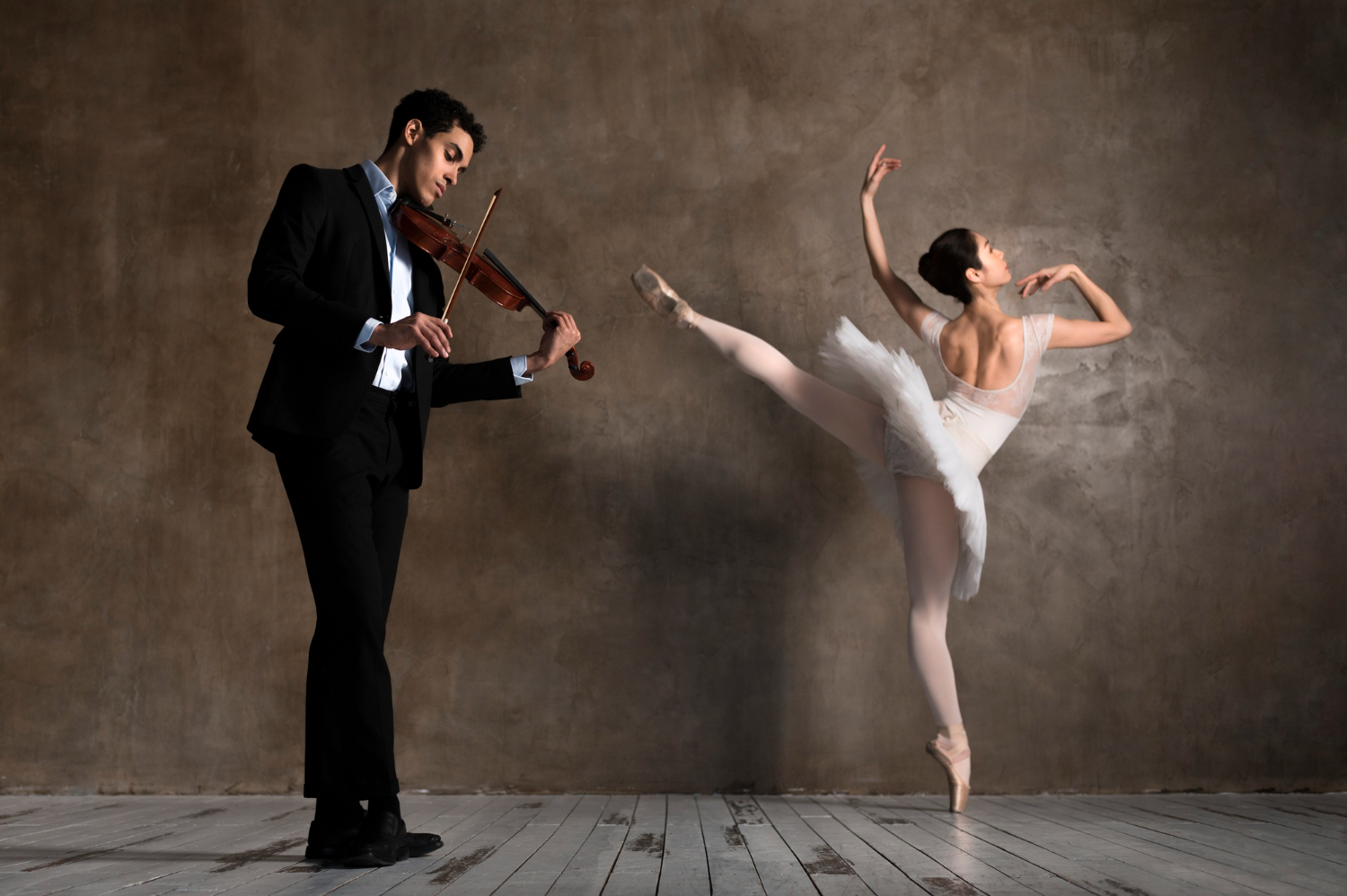
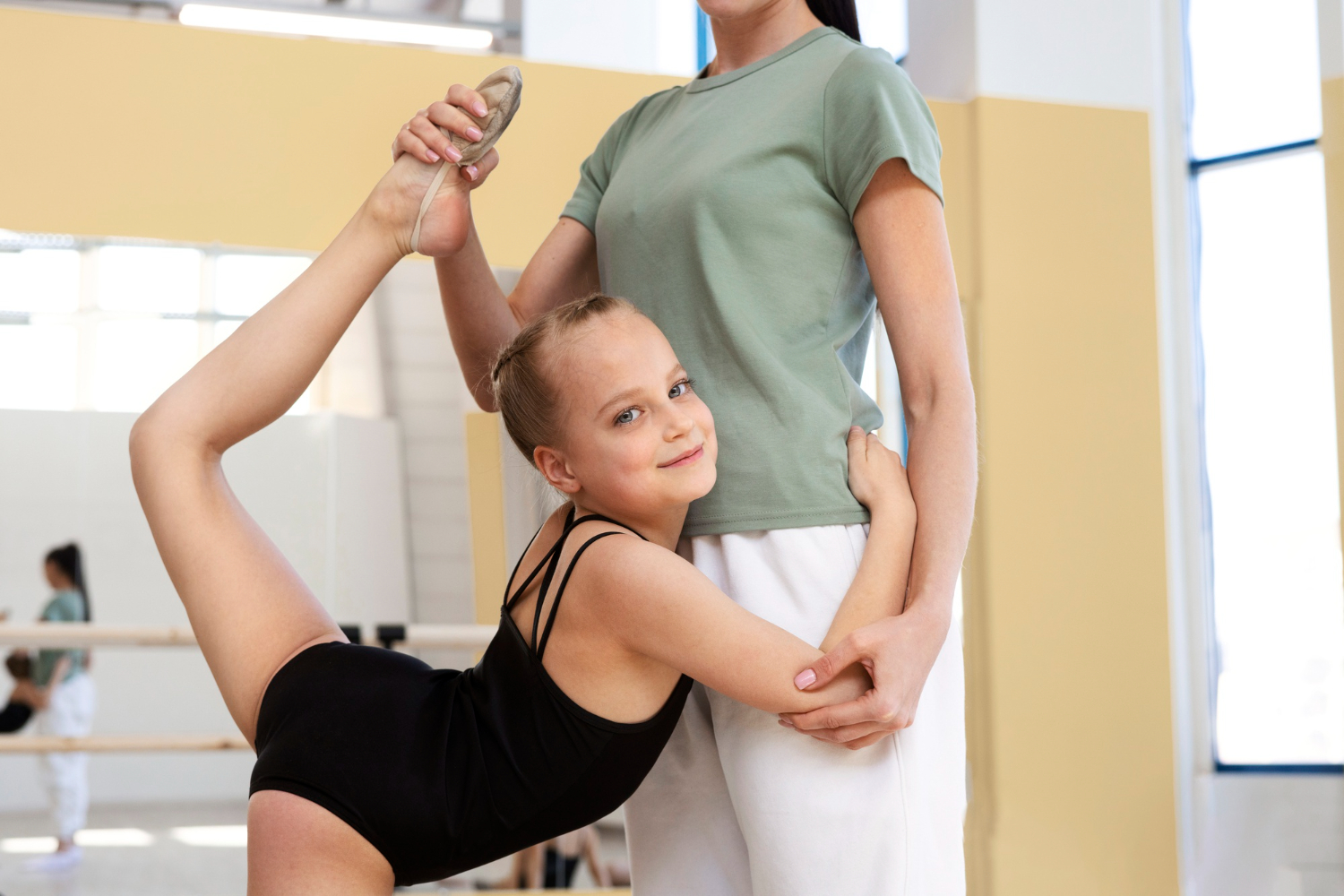
Ballet classes help children build strength, flexibility, and coordination through structured movement and exercise. Each plié, tendu, and pirouette makes young dancers stronger and more balanced. The precise techniques and choreography improve posture and alignment while building stamina and endurance. Students learn to engage their core muscles and focus on proper breathing, thereby creating a better connection between their mind and body. Regular practice helps children develop better coordination and motor skills, teaching them to move with grace and control. Ballet training challenges the body in healthy ways, helping kids become more physically capable and confident in their movements. This physical foundation supports other activities and sports throughout the school year.
Improved Confidence and Self-esteem
Ballet classes help children build confidence and feel better about themselves through achievement and artistic expression. Each time students master a new movement or complete a challenging combination, their belief in their abilities grows stronger. The discipline needed to learn ballet movements builds resilience and self-assurance that helps children in other areas of life. From learning to hold their arms gracefully to standing tall with good posture, young dancers develop a confident presence that stays with them outside the studio. As children learn to trust their abilities and appreciate their unique talents, they become more willing to take on new challenges. This growing confidence helps them feel more prepared and positive about starting the school year.
Developing Discipline and Focus
Learning ballet requires dedication and concentration, which helps children develop important life skills. Every movement in ballet demands full attention, teaching students to block out distractions and focus on their goals. The practice and repetition required to master ballet steps cultivate a strong work ethic that benefits children in school and other activities. Students learn to listen carefully to instructions, follow directions, and work toward improvement over time. Ballet classes teach children that success comes through consistent effort and practice rather than instant results. These skills of discipline and focus transfer directly to homework, studying, and classroom behavior, helping children become better students throughout the school year.
Enhancing Social Skills Through Dance
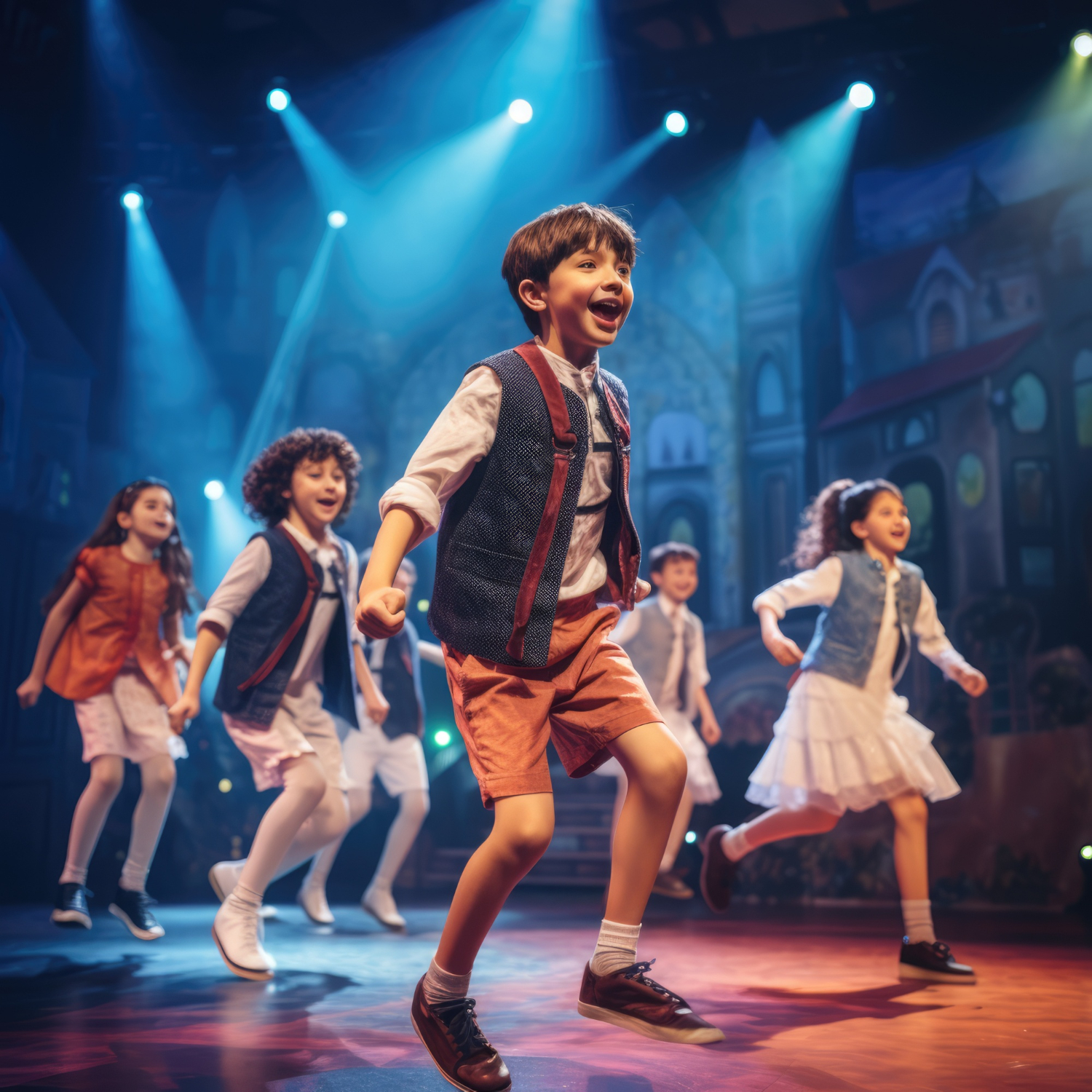
Ballet classes offer children the opportunity to develop social skills and form new friendships through shared experiences. As students learn choreography together, they practice communication and teamwork without relying on words. Group routines and partner exercises teach cooperation, respect, and how to work well with others. Children learn to support their classmates, celebrate each other’s successes, and lend a hand when someone is struggling. The ballet studio becomes a community where students encourage each other and build lasting friendships. These social skills help children feel more comfortable in new situations and better prepared for making friends and working with classmates when school starts. Dance teaches children how to be good teammates and supportive friends.
Setting the Stage for Academic Success
Ballet training builds skills that directly support academic achievement and school success. The discipline required for ballet practice teaches children how to approach homework and studying with focus and determination. Learning complex choreography enhances memory skills and attention to detail, which in turn benefits reading, math, and other academic subjects. Ballet students learn to break down complex tasks into smaller, manageable steps—a skill that’s valuable for school projects and assignments. The perseverance needed to master ballet movements teaches children not to give up when schoolwork becomes challenging. Regular ballet practice also fosters good routines and time management habits, helping children balance school, homework, and extracurricular activities. These skills create a strong foundation for academic success throughout the school year.
Related Topics: