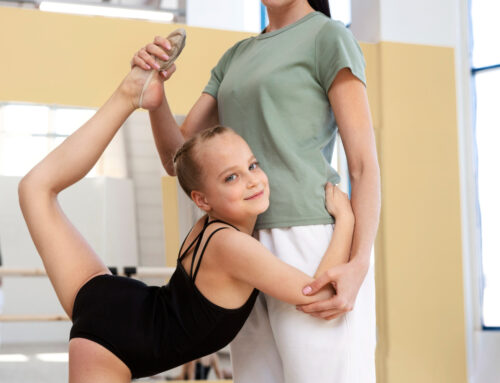
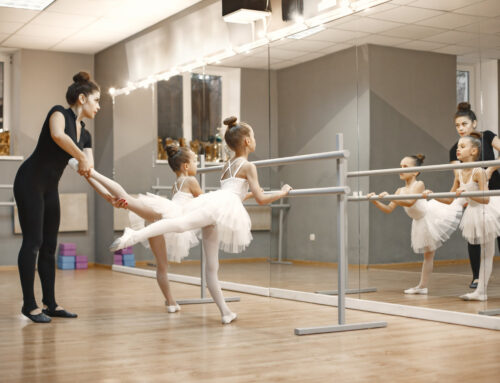
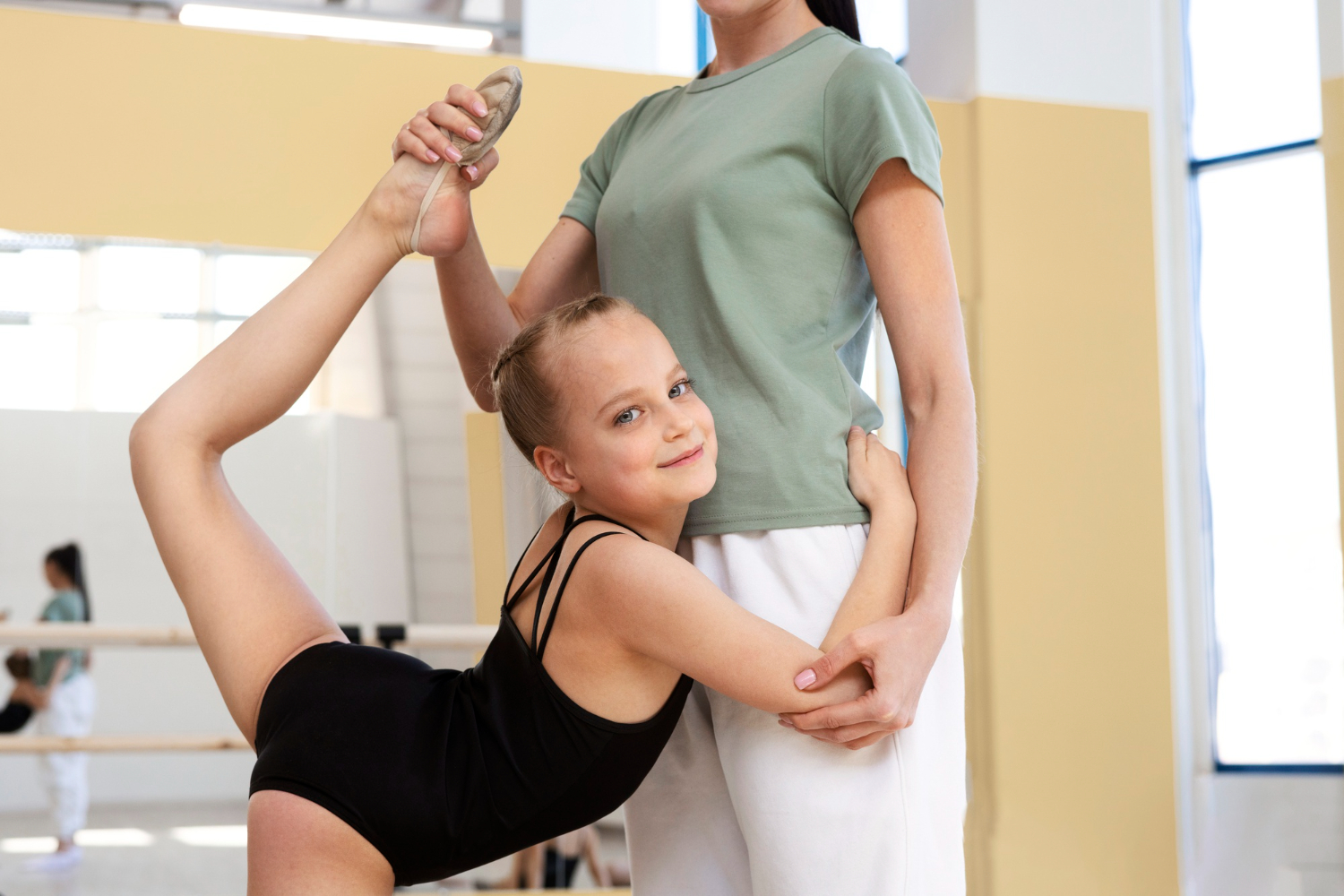
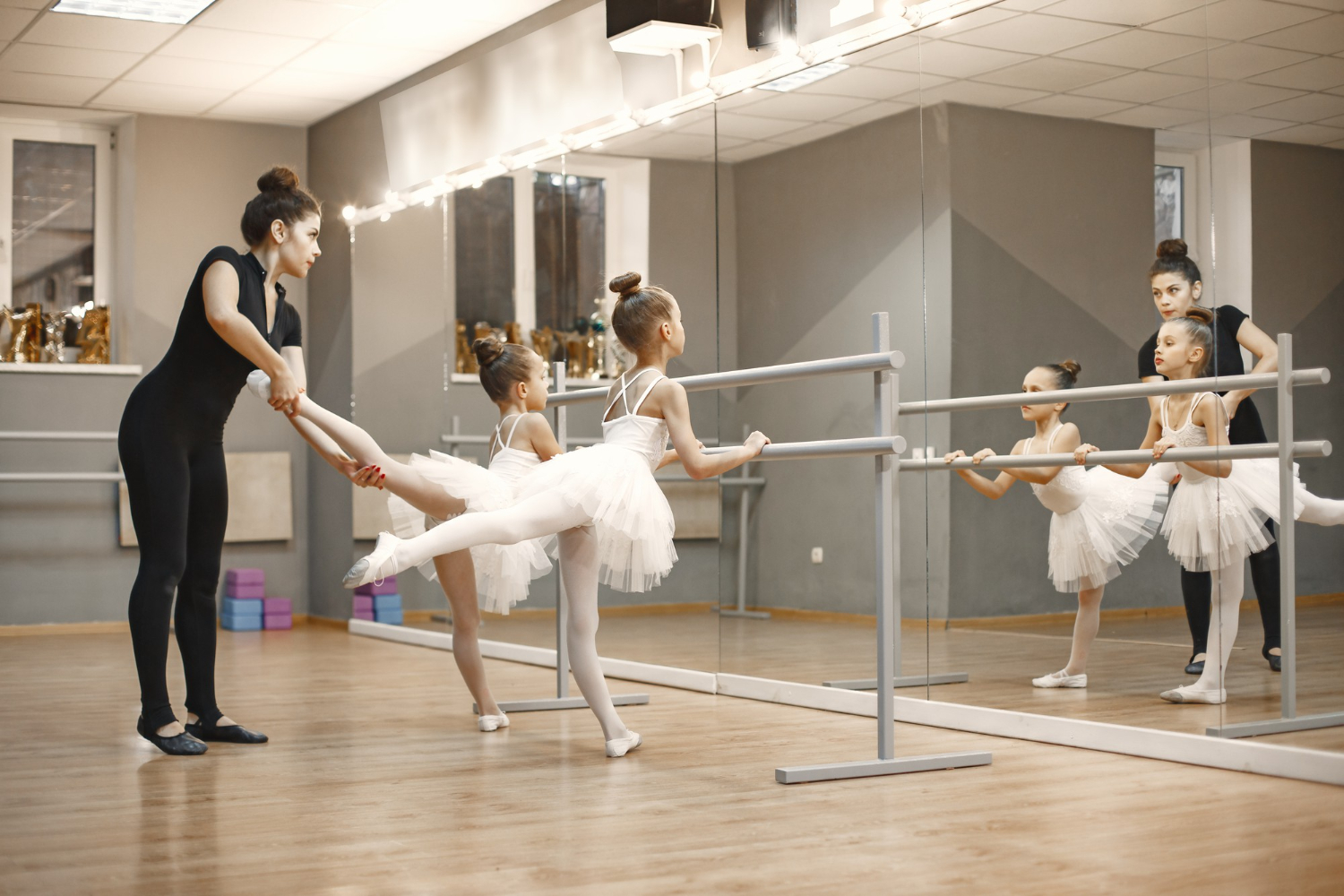
Dance has a strong positive effect on students’ academic performance. The best dance lessons help improve memory, focus, creativity, and problem-solving skills that students need for academic success. This guide explores how dancing helps the brain function more effectively and supports learning. We’ll look at how movement improves memory, sharpens attention, builds creativity, and helps students succeed in their studies. Understanding this connection shows why dance can be a powerful tool for better learning.
Cognitive Benefits of Dance
Research shows that dancing greatly improves brain functions like memory, attention, and problem-solving skills. Dance requires coordination, spatial awareness, and memory recall, which stimulate different parts of the brain. These mental demands lead to better memory and stronger focus. The complex movements in dance routines challenge people to think quickly and make fast decisions, which sharpens problem-solving abilities. The mix of physical activity, mental engagement, and emotional expression in dance creates complete brain development that helps with academic success and thinking skills in many areas of life.
Improving Memory Through Movement
Physical activity, especially dance, has been proven to improve memory function in people of all ages. Research shows that combining movement with thinking tasks improves our memory. When we move our bodies to rhythm, like in dance, it activates different brain areas, including the hippocampus, which is important for forming memories. Studies show that people who dance regularly have better memory recall abilities than those who don’t dance. The coordination needed in dance routines strengthens brain connections, which helps memory even more. Adding dance to schools or daily routines gives people a powerful tool to boost their memory function.
Enhancing Focus and Attention
Taking part in dance activities greatly improves focus and attention in people of all ages. Research shows that dancing requires people to concentrate on body movements, music, rhythm, and spatial awareness simultaneously, which improves brain functions related to attention. A study in the Frontiers in Human Neuroscience journal found that dancers have better attention control than non-dancers, showing how dance benefits focus. The repetitive practice of learning dance routines helps people develop discipline and mental strength, helping them stay focused for longer periods. These findings suggest that adding dance to schools could help students improve their focus and attention during academic tasks.
Boosting Creativity and Problem-Solving
How does dancing affect creativity and problem-solving skills in people of different ages? Taking part in dance has been shown to improve creativity and problem-solving abilities greatly. Here are three ways dance boosts these thinking skills:
- Enhanced Brain Connectivity: Studies show that dance stimulates different brain areas, leading to improved brain connections that are important for creativity and problem-solving
- Improved Cognitive Flexibility: The varied movements and patterns in dance require people to think quickly and adapt, building the mental flexibility needed for creative problem-solving
- Enhanced Communication Skills: Through dance, people learn to express emotions and ideas without words, improving their ability to communicate creatively and solve problems effectively
Dance as a Tool for Academic Success
Dance serves as a valuable tool for improving academic success by promoting brain development and better learning outcomes for people in various educational settings. Research shows that adding dance to school programs can lead to better memory, increased focus, and improved problem-solving skills. A study in the Frontiers in Psychology journal found that students who took regular dance classes showed higher levels of creativity and academic performance compared to students who didn’t dance. The physical activity in dancing can help reduce stress and anxiety, creating a better learning environment. By dancing, people can stimulate multiple brain areas at the same time, encouraging complete brain growth and helping with their academic success.
Related Topics: