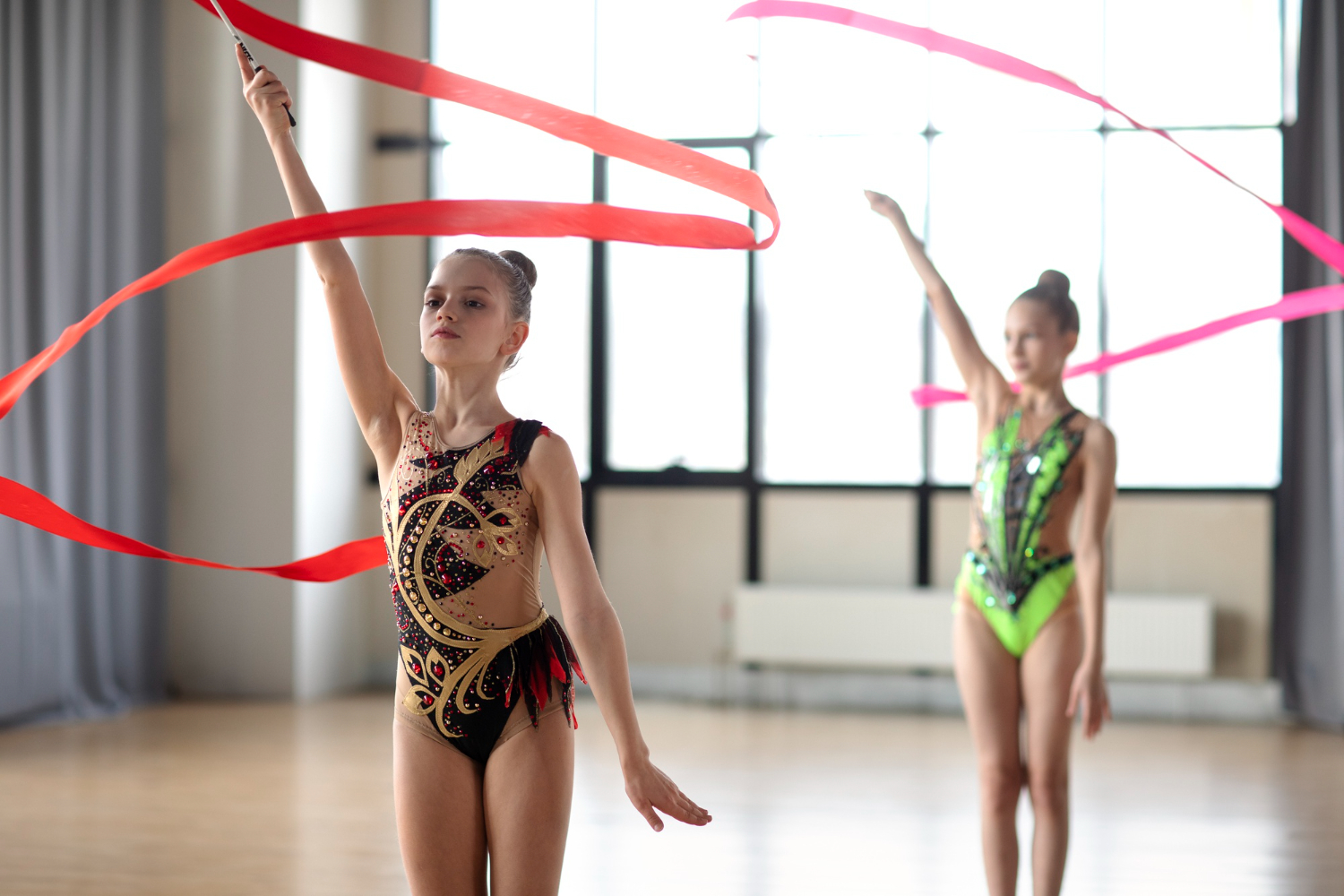
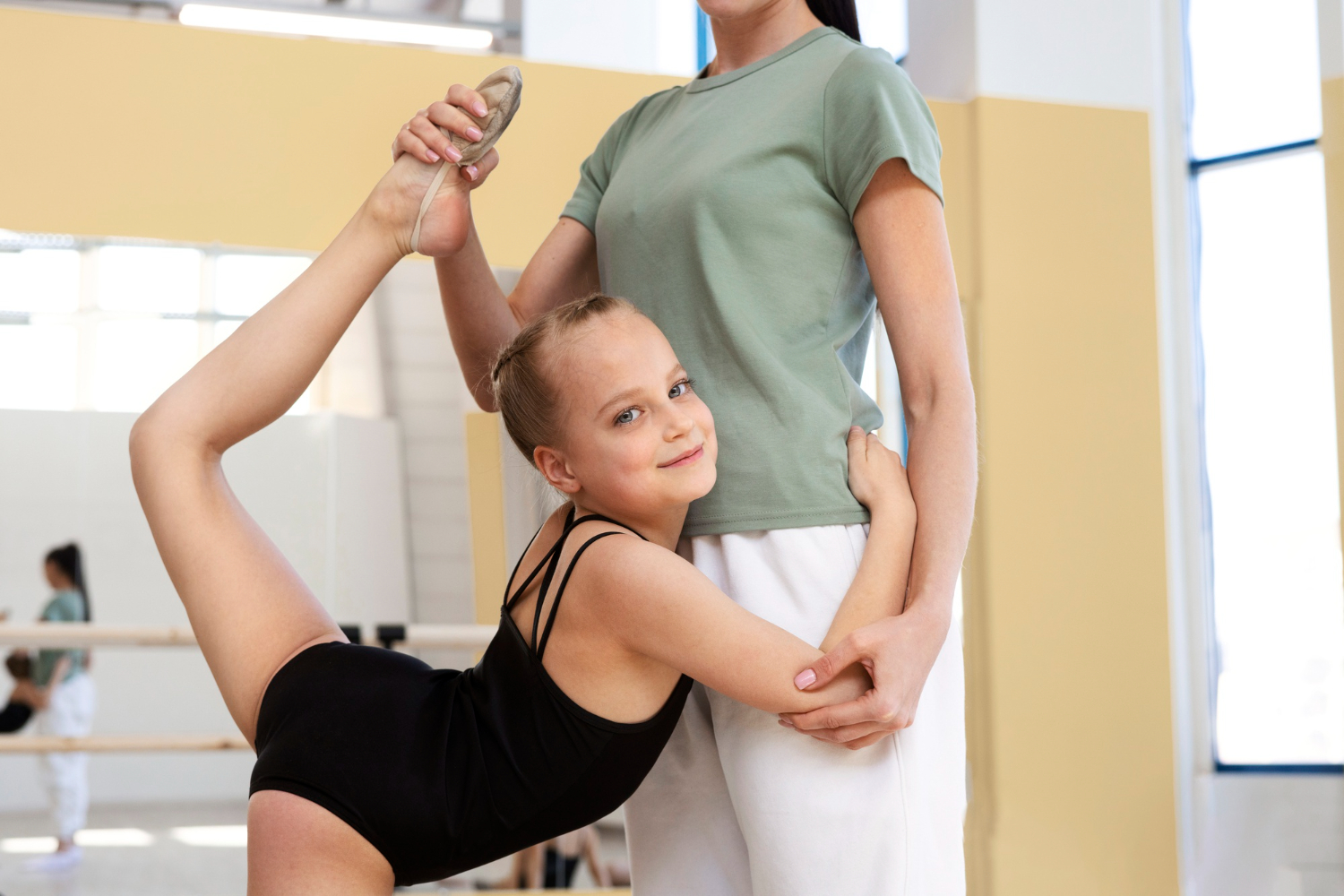
Dancing provides amazing benefits for your brain and mental health through physical movement and creative expression. The best dance classes incorporate movements that challenge your brain in multiple ways, from memorizing choreography to coordinating with music. Dance activates memory and learning centers while challenging your brain to coordinate movement with rhythm. This activity improves both short-term and long-term memory while releasing mood-boosting chemicals. Dancing also increases neuroplasticity, helping your brain adapt and create new connections. These benefits make dancing a powerful tool for supporting mental health and brain function.
Boosts Cognitive Function
Dancing gives your brain a great workout by activating several important brain regions at once. When you dance, your brain has to coordinate movement with music, requiring precise timing and rhythm. This complex activity stimulates the hippocampus (which is responsible for memory), the cerebellum (which controls movement), and the frontal lobe (which manages attention and decision-making). By dancing regularly, you’re exercising these brain areas and strengthening the connections between them. Research indicates that individuals who engage in regular dance activities exhibit enhanced cognitive abilities compared to those who don’t. The mental challenges of learning new steps, remembering sequences, and staying on time with music all work together to keep your brain sharp and healthy.
Enhances Memory
Dance improves your memory in several ways by challenging your brain to remember and recall information. When you learn choreography, your brain must store sequences of movements, timing, and spatial patterns. This process activates the hippocampus, the brain’s primary memory center. As you practice dance routines repeatedly, you strengthen the pathways that help you remember things. Studies show that dancing can improve both your ability to remember new information (short-term memory) and recall things from the past (long-term memory). The combination of physical movement, music, and visual patterns in dance creates multiple memory cues, making it easier to remember information. People who dance regularly often find that their memory improves not just for dance moves but also for everyday tasks.
Reduces Stress and Anxiety
Dancing is an excellent way to lower stress and anxiety levels through both physical and mental benefits:
- Release of Endorphins: Dancing triggers the release of endorphins, natural chemicals that make you feel good and help reduce pain and stress.
- Mind-Body Connection: The focus required to coordinate movements helps you stay present and stops your mind from worrying about other things that cause stress.
- Social Interaction: Dancing with others, especially in classes or groups, creates social connections that help you feel less isolated and more supported.
These benefits work together to create a natural stress-relief system that helps you feel calmer and more relaxed.
Increases Neuroplasticity
Dancing helps your brain become more flexible and adaptable through a process called neuroplasticity. This is your brain’s ability to form new connections and reorganize itself throughout your life. When you dance, you engage multiple senses simultaneously – hearing music, seeing movements, feeling your body position, and coordinating complex movements. This multi-sensory experience stimulates different parts of your brain simultaneously, encouraging the formation of new neural pathways. Research suggests that individuals who engage in regular dance activities exhibit increased neuroplasticity, which can enhance cognitive functions such as attention, memory, and problem-solving. This brain flexibility helps you learn new things more easily and may even help protect against age-related cognitive decline.
Promotes Emotional Well-being
Dancing supports emotional health in several important ways:
- Emotional Expression: Dance provides a means to express feelings through movement, enabling you to release emotions such as joy, sadness, or excitement without relying on words.
- Stress Reduction: Engaging in physical activity, such as dancing, helps lower stress by releasing endorphins and providing a healthy outlet for tension and frustration.
- Social Connection: Dancing with others fosters a sense of community and belonging, both of which are crucial for emotional well-being and the reduction of feelings of loneliness.
These emotional benefits make dancing a powerful tool for improving your overall mental health and helping you feel more balanced and positive in daily life.
Related Topics: