Motivating young ballet students requires patience, creativity, and an understanding of what inspires children to learn and grow. Many young dancers require additional encouragement to develop their skills and maintain their interest in ballet training. A professional dance instructor understands that each student learns differently and responds to various motivational approaches. This guide provides proven strategies for keeping youth ballet students engaged, from setting achievable goals to creating a supportive learning environment that fosters student success and growth.
Setting Clear and Attainable Goals
Help students stay engaged by setting clear, reachable goals that match their abilities and interests. When students have specific targets to work toward, they feel more focused and purposeful during practice. Break down big goals into smaller steps so students can see their progress and celebrate accomplishments along the way. This approach fosters confidence and encourages students to challenge themselves while remaining realistic about their capabilities. As instructors, guide students in choosing goals that inspire them to improve without feeling overwhelmed. Effective goal-setting fosters a positive cycle where success motivates students to set new challenges and continue to grow in their ballet skills.
Providing Positive Feedback and Encouragement
Use specific praise and encouragement to build students’ confidence and motivation during their ballet journey. Focus on highlighting each student’s strengths and improvements rather than just pointing out mistakes. For example, compliment a student on their improved posture during barre work or their graceful arm movements in center combinations. Help students set personal goals and celebrate their progress, no matter how small. Acknowledge effort as much as achievement to show students that hard work matters. Create a positive atmosphere where students feel supported and inspired to keep trying. Remember that encouraging words can make a huge difference in how students feel about themselves and their dancing abilities.
Incorporating Fun and Creative Activities
Make ballet classes enjoyable by adding interactive games and creative exercises that help students learn while having fun:
- Storytelling through Movement: Have students create dances that tell stories, helping them connect emotionally with their movements and express creativity.
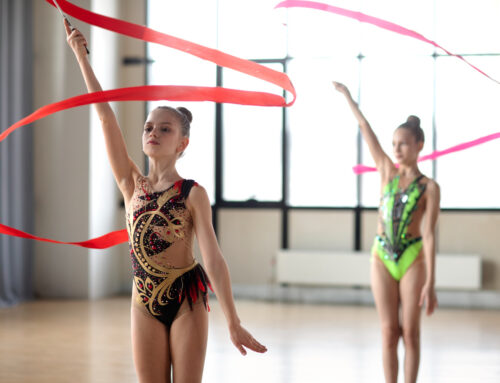
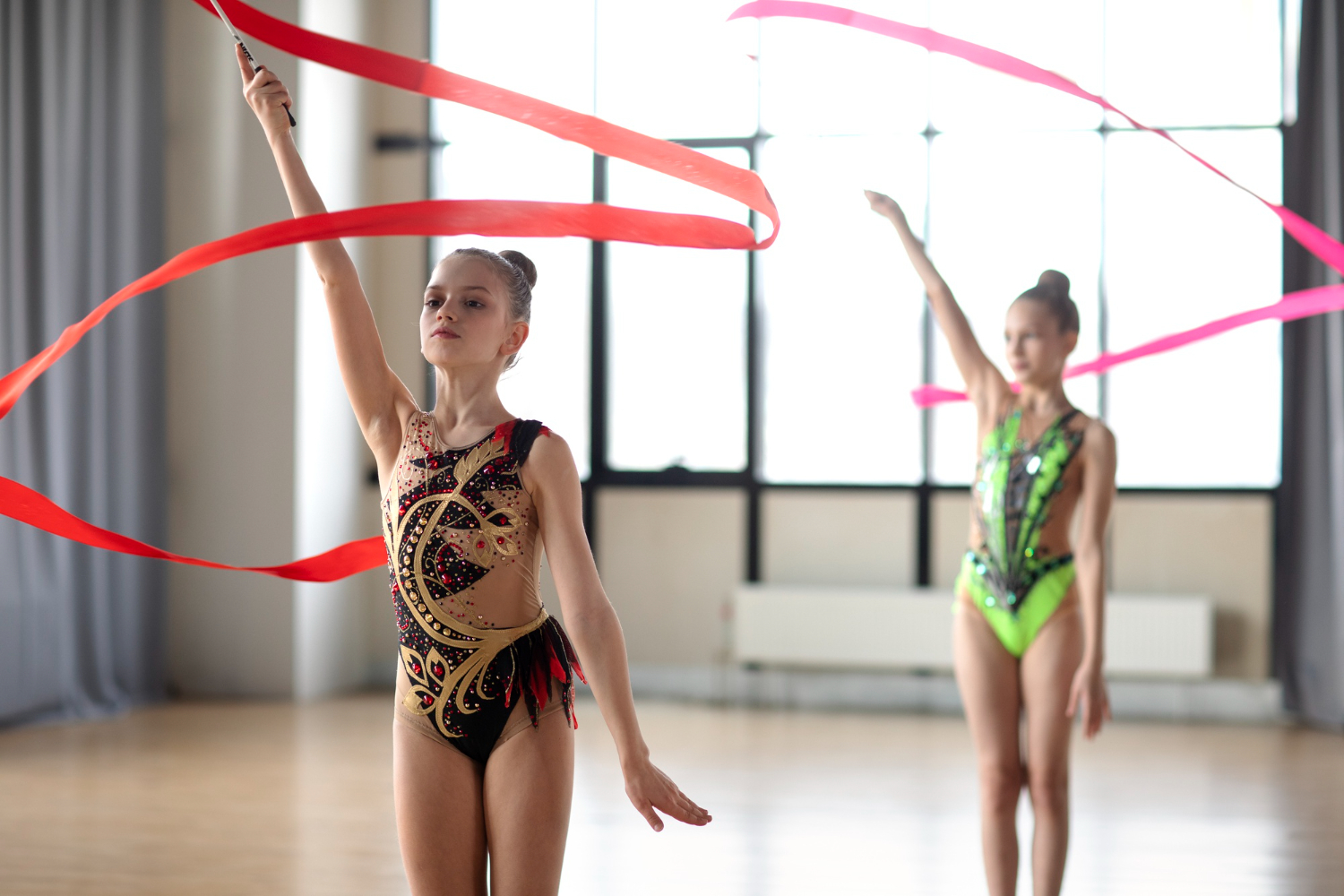
- Prop Exploration: Use colorful scarves, ribbons, or flowers to make routines more exciting and help students explore different ways of moving.
- Musical Chairs Ballet: Combine the classic game with ballet to enhance students’ musicality and quick thinking while keeping them engaged and entertained.
- Mirror Dance: Pair students to copy each other’s movements, which improves coordination and helps them work together as a team.
- Improv Sessions: Let students create their movements to different types of music, encouraging them to be spontaneous and express themselves freely.
Celebrating Achievements and Progress
Take time to recognize and celebrate every student’s achievements and improvements during ballet classes. Acknowledging progress boosts confidence and shows students that their hard work is valued. Celebrate when students master difficult steps like pirouettes or arabesques, improve their flexibility, or show better technique. Recognition can be as simple as applause, special certificates, or highlighting achievements in class. By celebrating progress, you help students feel proud of their accomplishments and motivated to continue learning. This positive reinforcement encourages students to set new goals and keep pushing themselves to improve. Make sure every student feels seen and appreciated for their unique progress and efforts.
Fostering a Supportive and Nurturing Environment
Create a dance studio atmosphere where every student feels safe, supported, and encouraged to learn and grow:
- Personalized Feedback: Provide each student with individualized comments that help them improve, recognizing their unique strengths and challenges.
- Emotional Guidance: Provide emotional support and create a safe space where students can express themselves without fear of judgment.
- Encouraging Team Spirit: Foster friendships and teamwork among students so they support and encourage one another during classes.
- Open Communication: Maintain open communication lines so students feel comfortable asking questions or sharing concerns about their dancing.
- Positive Encouragement: Celebrate small victories and milestones to build confidence and keep students motivated to continue learning.
This supportive environment enables students to feel confident in taking risks, making mistakes, and learning from them, while developing their ballet skills.
Related Topics: