Ballet classes for children can have a profound impact on their mental and physical development. Dance lessons provide an excellent foundation for young children to develop both coordination and creative expression skills. Through ballet, children strengthen their muscles, improve flexibility, sharpen cognitive abilities such as focus and memory, learn discipline, and build confidence. Ballet also helps children develop social skills, such as teamwork and communication, creating well-rounded individuals. This approach to development extends beyond the studio, providing kids with valuable life skills that benefit them in school and other activities.
Physical Benefits of Ballet Classes
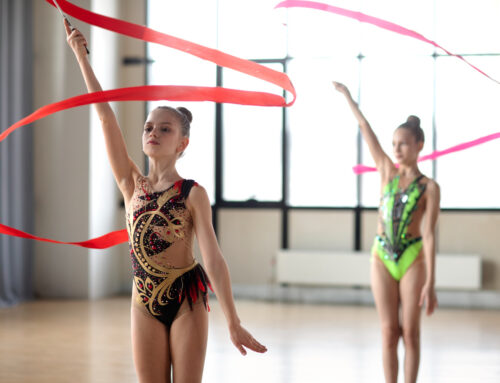
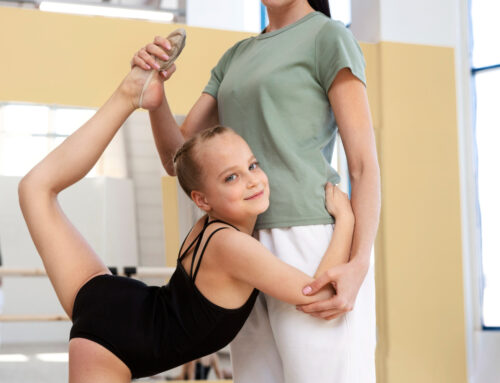
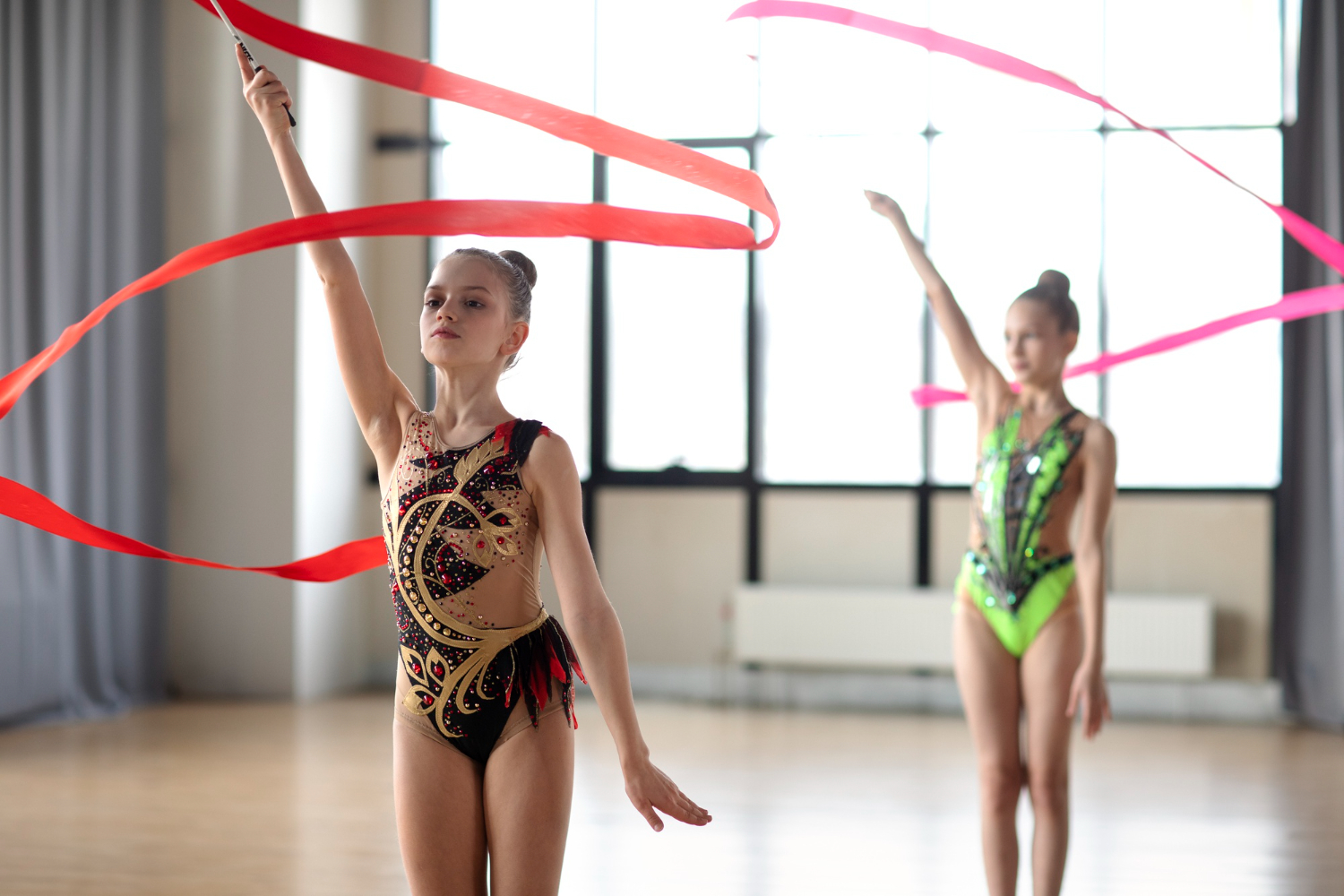
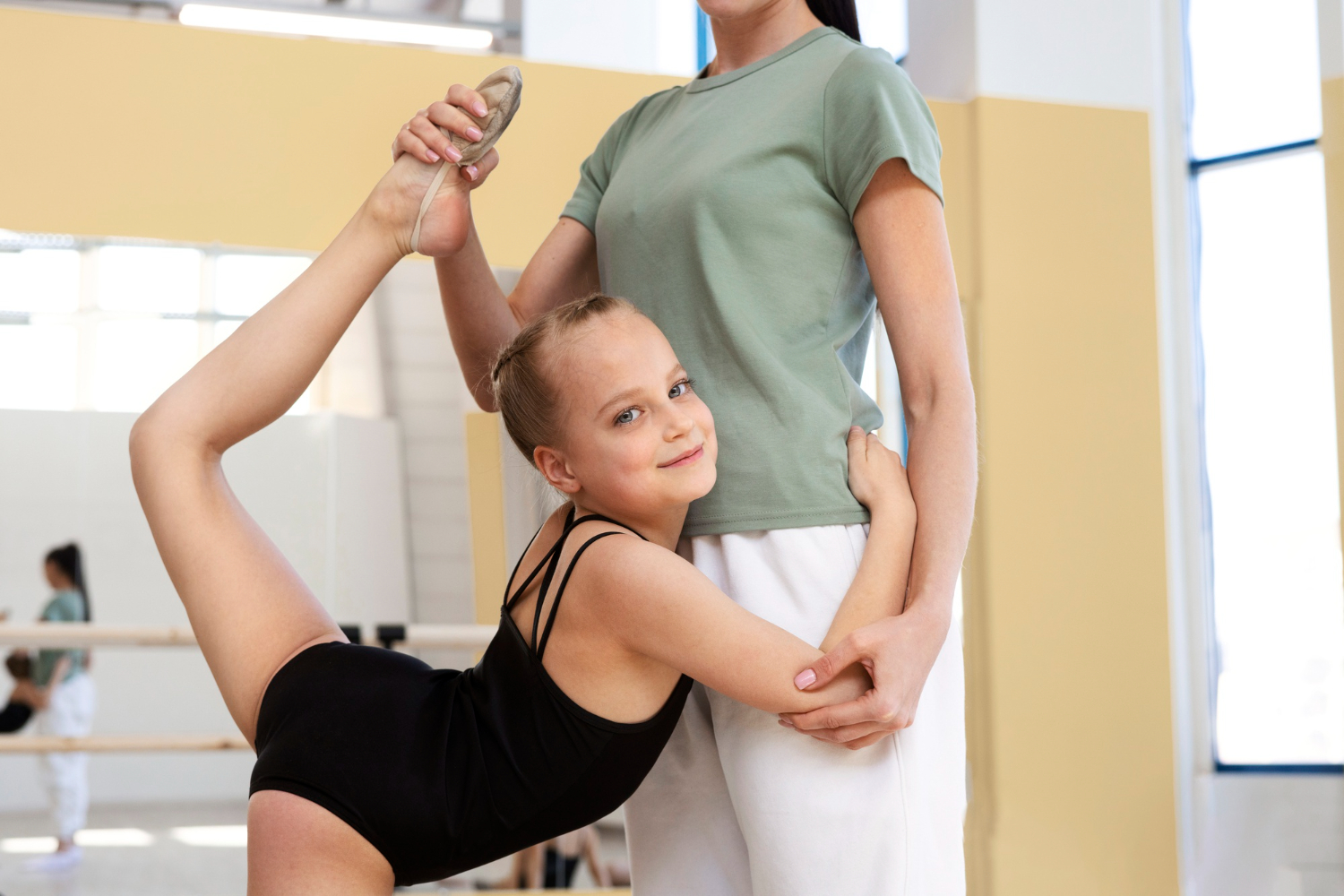
Ballet classes help children build strong, healthy bodies through regular practice and movement. Students develop muscle strength, particularly in their legs, core, and back, which enables them to perform dance movements with greater ease and control. Ballet also enhances flexibility by teaching stretches that improve joint mobility, resulting in better overall movement. The focus on proper posture and body alignment in ballet helps children develop good body awareness and control that benefits them in all activities. Learning ballet’s basic techniques provides young dancers with a solid physical foundation that supports their dance training and contributes to their overall health and well-being. Regular ballet practice also enhances balance, coordination, and motor skills, which benefit children in sports and everyday activities.
Cognitive Development Through Ballet
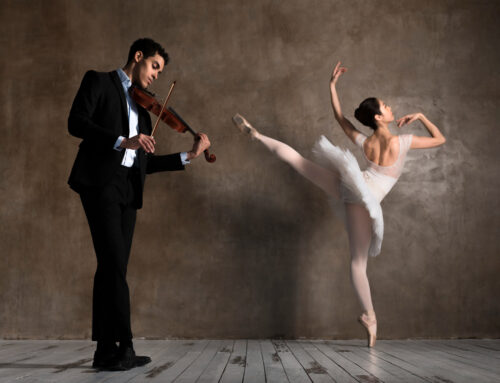
Ballet classes challenge children’s minds in ways that support brain development and learning abilities. Learning dance routines requires focus, memory skills, and the ability to follow complex sequences of movements, which helps strengthen cognitive function. When children memorize choreography, they improve their spatial awareness, coordination, and attention to detail. The mental challenge of learning new steps and dance combinations stimulates brain activity, promoting cognitive growth and enhancing problem-solving skills. Ballet classes also teach discipline and structure, helping children develop essential skills such as self-control, persistence, and time management. The cognitive benefits of ballet training help children succeed in school and other areas of life by enhancing their ability to concentrate, retain information, and think critically through challenges.
Emotional Well-being and Ballet
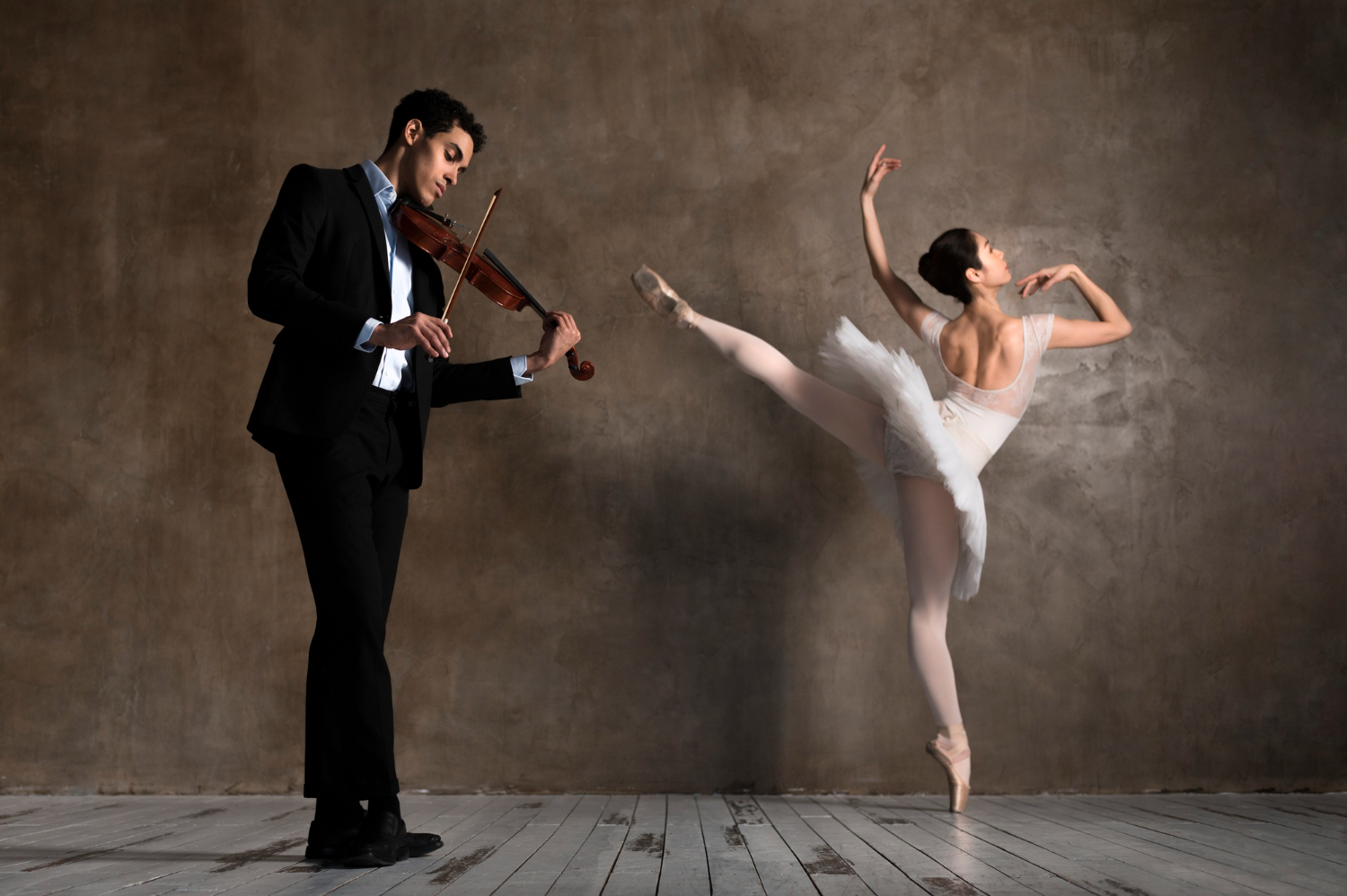
Ballet offers a safe and supportive environment where children can express their emotions through movement and develop emotional resilience. Through dance and music, young students learn to channel their emotions into their performances, which helps them better understand their feelings. Ballet encourages children to express emotions such as happiness, sadness, excitement, and determination through graceful movements, helping them process and cope with feelings in a healthy manner. The structure and discipline of ballet classes also foster a sense of responsibility and commitment, which in turn boosts confidence and self-esteem. As children master new steps and techniques, they feel proud of their accomplishments, which improves their emotional well-being and mental health. Ballet provides children with a positive outlet for self-expression and emotional management.
Social Skills Enhanced by Ballet
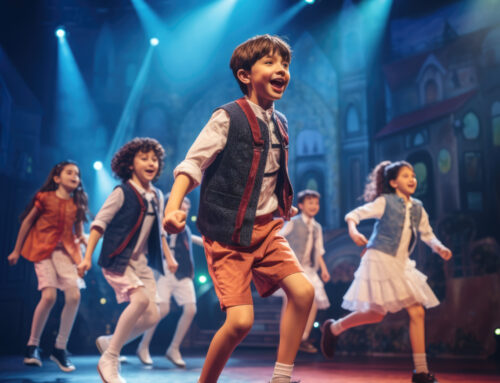
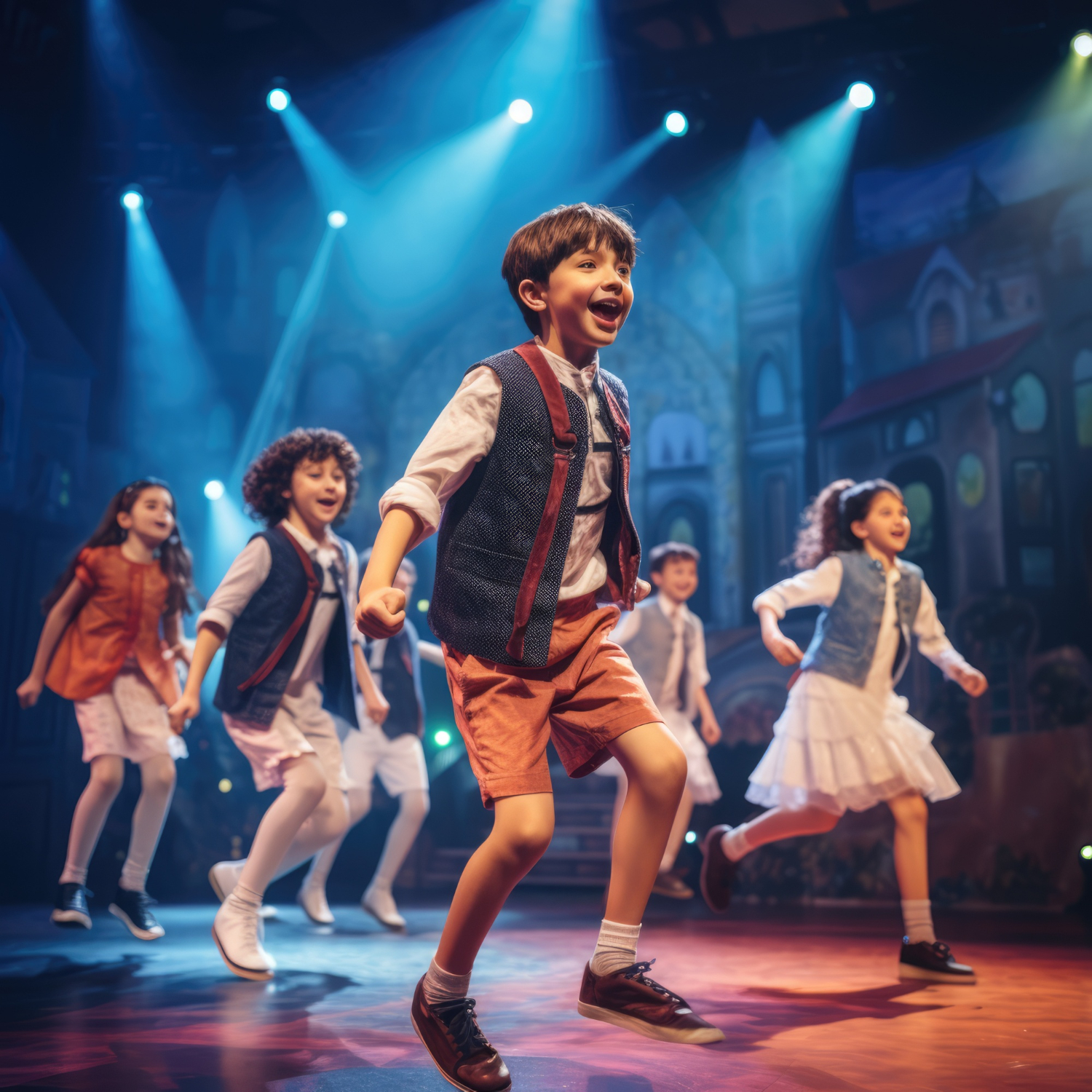
Ballet classes help children develop important social skills through group activities and teamwork experiences. As young dancers work with classmates and teachers and perform for audiences, they develop essential skills such as communication, cooperation, and empathy. Through group dances and partner exercises, children learn to coordinate their movements with others, adjust to different speeds, and support their fellow dancers. These experiences teach the value of teamwork and create friendships and respect within the dance group. Activities such as group rehearsals and performances help young ballet students become more socially aware and learn the importance of collaborating to achieve shared goals. The social skills learned in ballet classes help children in school, friendships, and other group activities throughout their lives.
Holistic Growth in Ballet Students
Ballet training offers comprehensive development, encompassing physical, mental, and emotional growth for young students. As children practice ballet regularly, they improve their physical strength, flexibility, and coordination while also developing their mental abilities through memorizing dance sequences and interpreting music. The emotional expression required in ballet helps children develop better self-expression skills and empathy for others. This comprehensive approach to ballet training fosters a sense of balance and mindfulness in students, equipping them with valuable life skills that can be applied beyond the dance studio. By learning both the artistic and physical aspects of ballet, students embark on a journey of personal growth that enhances their overall well-being and prepares them for success in various areas of life.
Related Topics: