Deciding between gymnastics and dance can be tough for beginners. Both activities offer great benefits, but in different ways. This guide will help you understand what each activity offers and how to pick the right one. We’ll look at the physical benefits of gymnastics, the mental benefits of dance, social skills in gymnastics, and emotional expression in dance. By the end, you’ll know which path suits you best as a dance instructor.
Physical Benefits of Gymnastics
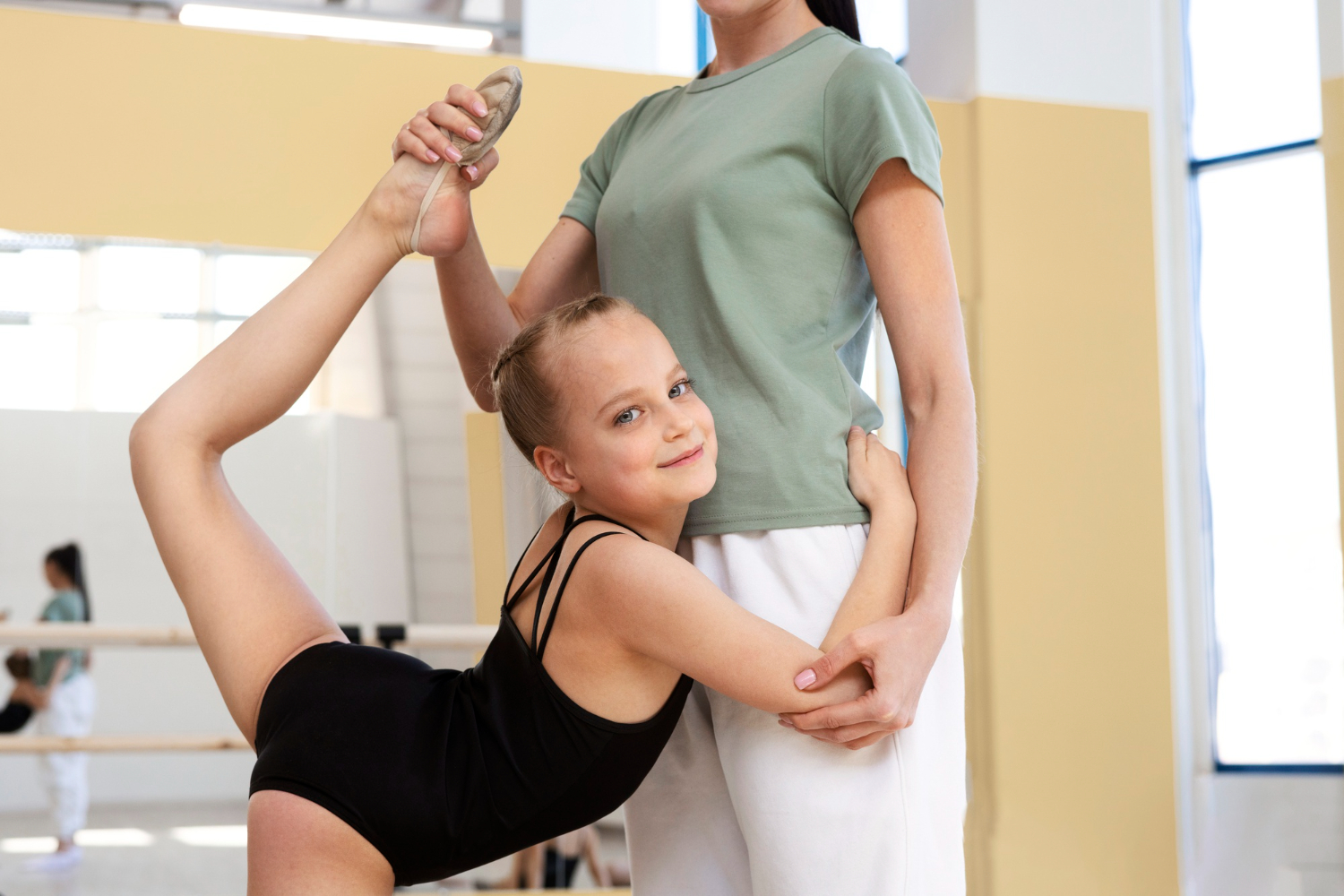
Gymnastics builds strength and flexibility while improving balance and coordination. These physical benefits help with overall health and improve your performance in other activities. Gymnastics uses many different movements that work various muscle groups, which build muscle tone and endurance. The active routines challenge your body and improve heart health. The focus on balance and coordination helps you develop better body awareness and quick movements. Regular gymnastics practice leads to big improvements in physical abilities, which makes you feel better overall and improves your quality of life.
Cognitive Benefits of Dance
Dance keeps you physically fit and also helps your brain work better. The complex steps and patterns in dance need focus, memory, and quick thinking, which makes your mind sharper. Learning and remembering dance routines improves memory skills, while coordinating different movements helps with motor skills and mental flexibility. Research shows that dancing may help prevent mental decline in older adults by keeping the brain active through physical movement and mental challenges. Dance is a fun and effective way to stay physically fit while also boosting brain power.
Social Development in Gymnastics
Gymnastics helps people develop social skills through teamwork and achieving common objectives. Gymnasts practice group routines together, learning how to communicate well, trust each other, and move in sync. This builds friendship and teamwork skills that help in gymnastics and life. Gymnasts often train together, giving them chances to support and encourage each other. Sharing successes, challenges, and hard work creates strong friendships among team members. Through interactions with coaches, judges, and other gymnasts, people learn how to give and receive helpful feedback, which improves their social skills. The social part of gymnastics helps create well-rounded people who excel in both the sport and their relationships with others.
Emotional Expression in Dance
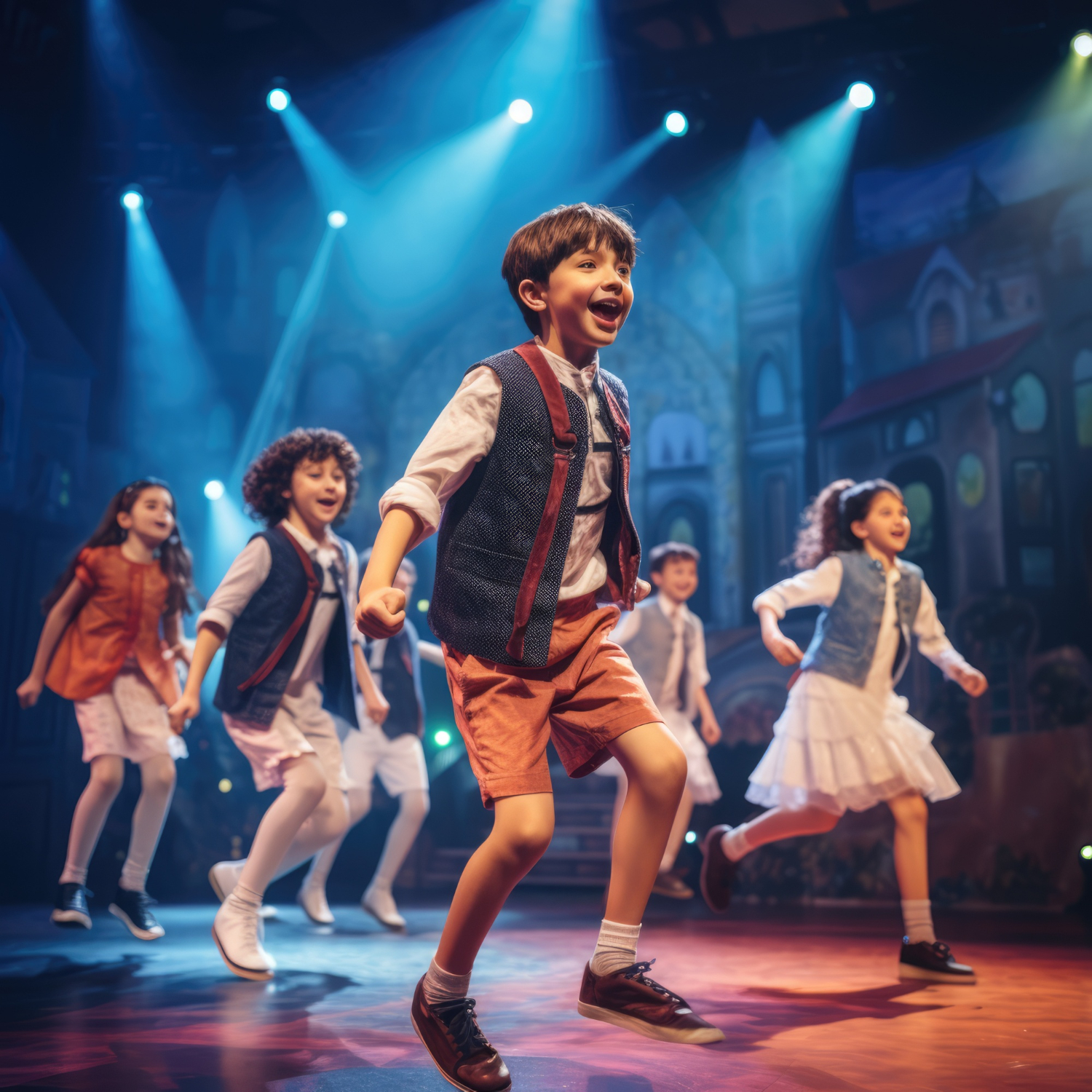
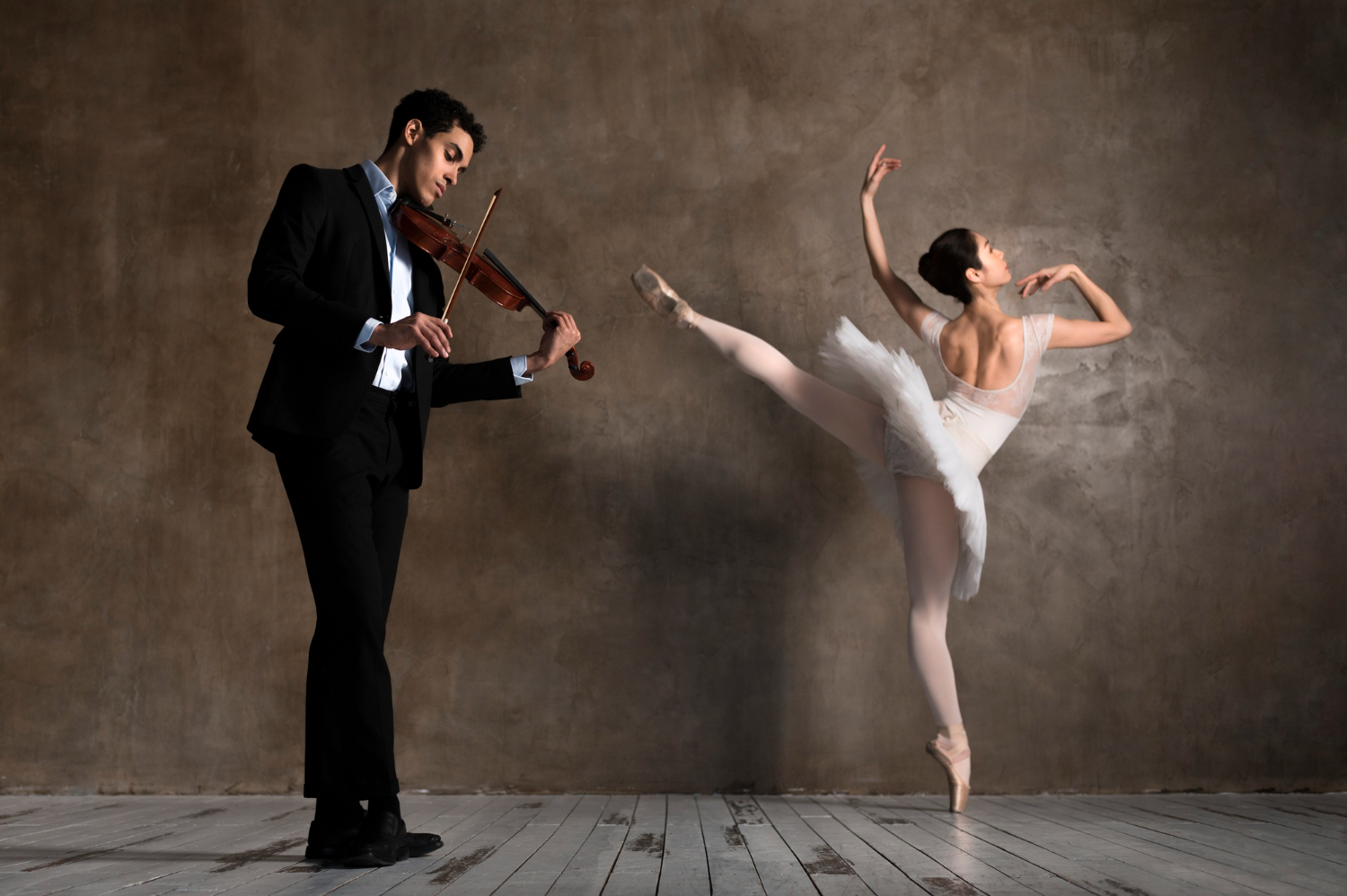
Dance lets people show their feelings through movement, serving as a powerful way to express inner emotions without using words. It allows dancers to show joy, sadness, passion, or any other feeling through their body movements and choreography, creating a strong connection with people watching.
- Dance helps people explore and express complex emotions in a creative and artistic way
- Through movement, dancers can communicate subtle feelings that words might not fully capture
- Emotional expression in dance builds self-awareness and emotional intelligence, helping people understand their own emotions better and how to communicate them effectively
Choosing the Right Fit
When picking between gymnastics and dance, beginners should choose the activity that matches their interests and physical abilities best. Gymnastics requires strength, flexibility, and coordination, making it perfect for people who enjoy physical challenges and learning complex movements. Dance focuses on expression, rhythm, and grace, appealing to those who enjoy artistic movements and telling stories through choreography. To find the right fit, think about your preferences – do you like structured routines or more creative forms of artistic expression? Consider any physical limitations or strengths you have to make a smart decision. Choosing between gymnastics and dance is about finding an activity that matches your interests and abilities.
Related Topics: